What Are Custom Flannel Jackets and How to Source Them?
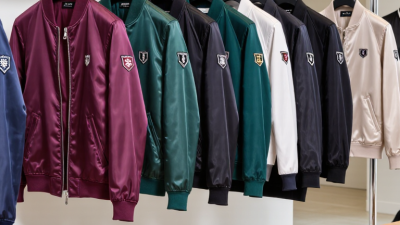
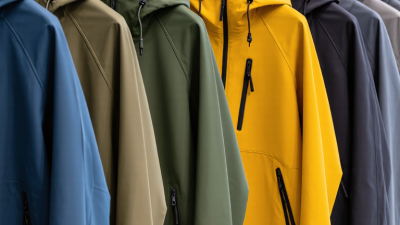
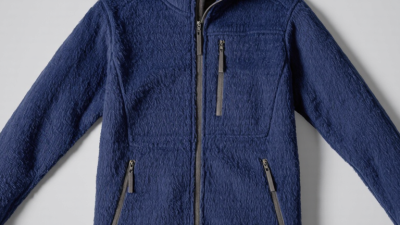
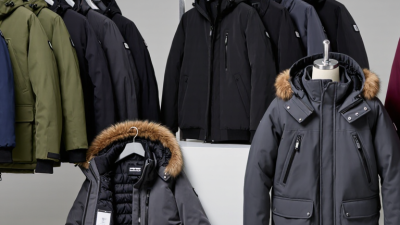
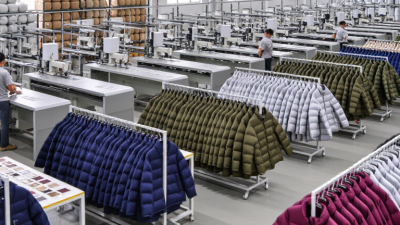
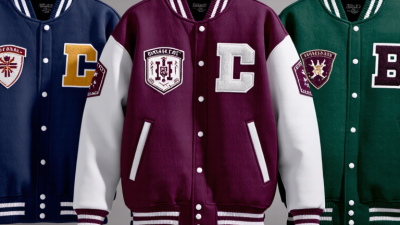
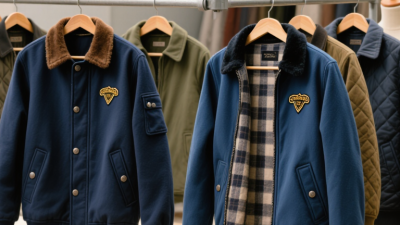
Custom Flannel Jackets combine familiar workwear structure with a buyer’s chosen fabric, fit, trim, and branding. They may feature brushed cotton, wool blends, quilted linings, metal snaps, or embroidered patches. A small café might request twelve navy jackets with chest logos. A retailer may need 2,000 seasonal pieces in graded sizes. The product changes with the order.
This market deserves careful attention. Grand View Research reports that the global custom T-shirt printing market is expanding strongly, supported by personalization, online retail, and small-batch production. Although jackets require different construction, the same demand signals matter. Buyers increasingly expect distinctive products without committing to massive inventory. The McKinsey State of Fashion reports also emphasize inventory discipline, product differentiation, and stronger supply-chain visibility. Those pressures make Custom Flannel Jackets attractive, but not automatically profitable.
Sourcing requires more than comparing a factory’s lowest quotation. A professional review should examine fabric weight, shrinkage testing, colorfastness, seam reinforcement, snap durability, and sample approval. Textile Exchange’s Materials Market Report provides useful guidance on recycled fibers and material traceability. However, certifications must be verified through current documentation, not attractive website badges. That detail is often missed.
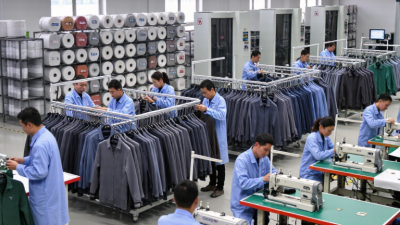
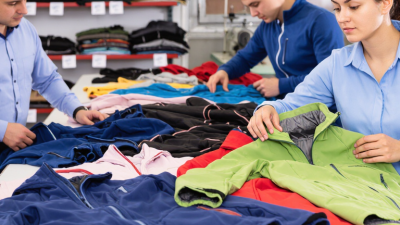
A dependable supplier should explain minimum order quantities, prototype fees, production lead times, inspection procedures, packaging, and communication schedules. Ask for close-up photos of cuffs, collars, lining joins, and embroidery backing. Then test one sample after washing. Small mistakes become expensive at scale.
The numbers help. They do not decide everything. A factory may look perfect on paper and still miss the sleeve fit. This guide examines what Custom Flannel Jackets are, how they are made, and how buyers can source them with clearer evidence and fewer costly assumptions.
Read more »