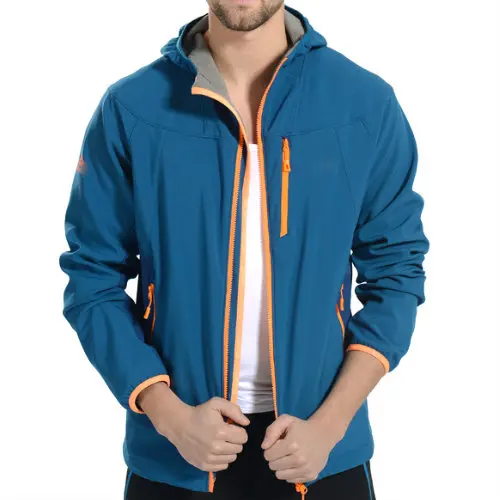
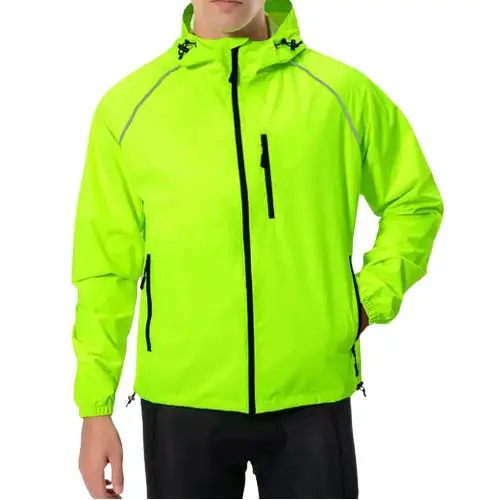
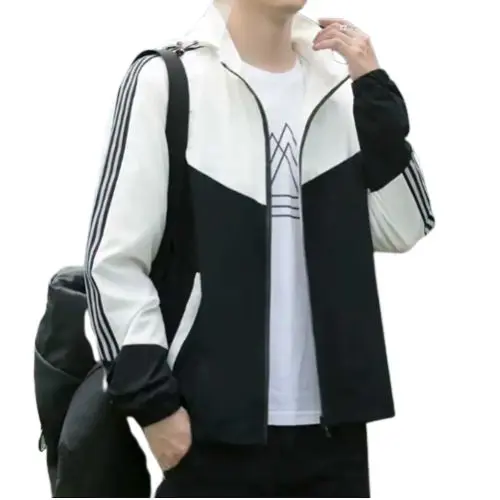
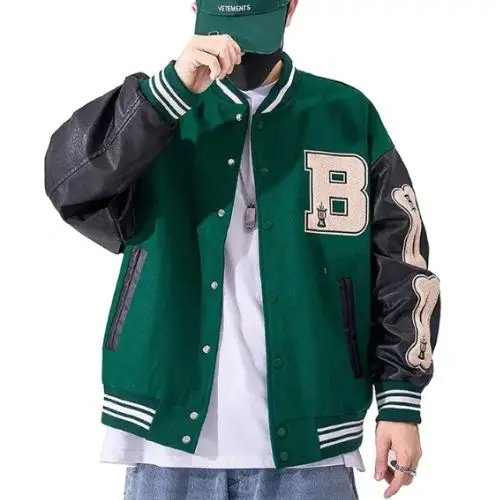
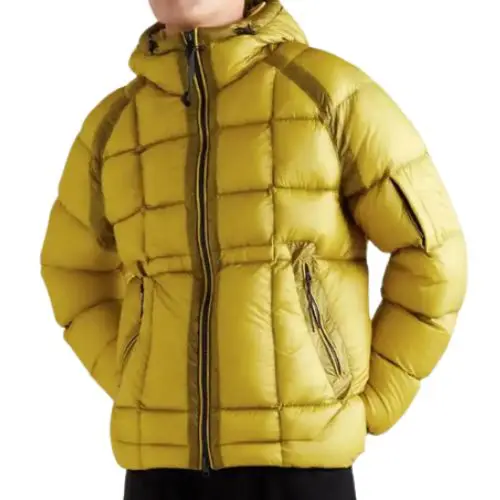
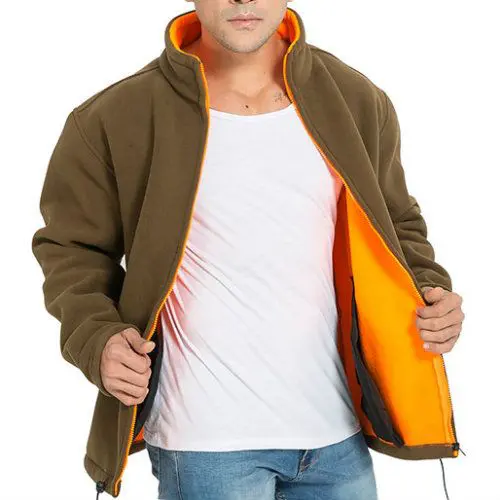
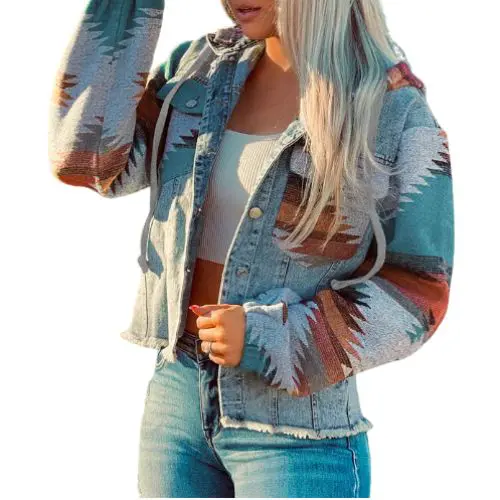
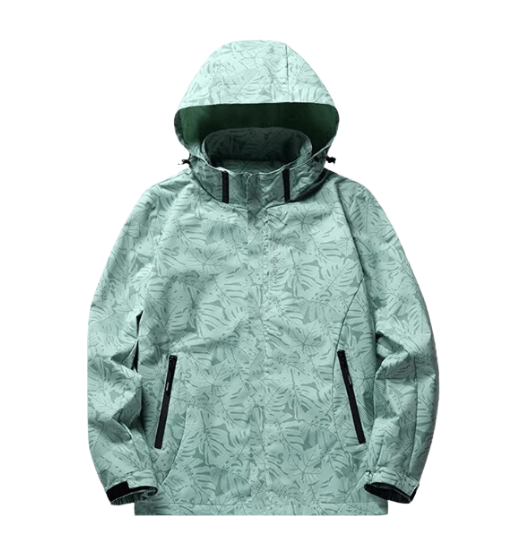
Sublimated Teamwork Track Jackets
240–280 GSM brushed poly-spandex or interlock knit. Vibrant edge-to-edge sublimation with anti-pilling fleece backing, custom ribbing, and auto-lock YKK zippers.
Engineered for global apparel brands, teamwear distributors, and corporate buyers seeking zero-fade color vibrancy, panel-matched artwork, GRS-certified recycled polyesters, and low-MOQ private label production.
OEKO-TEX ECO PASSPORT certified Kian/J-Teck inks fused directly into synthetic fibers at molecular level.
Low MOQ starting options for new collections with multi-size roster splits and fast proto turnarounds.
Laser-guided pattern cutting ensures continuous graphics across zippers, armholes, and side panels.
Post-consumer rPET shells engineered to absorb sublimation dyes without thermal degradation or stiffness.
Unlike standard garment printing, technical dye-sublimation outerwear requires exact fabric GSM selection, precise membrane lamination, and thermal-stable trim integration. Below are our core validated production bases designed for custom private label manufacturing.
240–280 GSM brushed poly-spandex or interlock knit. Vibrant edge-to-edge sublimation with anti-pilling fleece backing, custom ribbing, and auto-lock YKK zippers.
50D/72F ultra-lightweight ripstop nylon/polyester blend with DWR (Durable Water Repellent) coating. Full-bleed digital print with taped hood seams and packable pockets.
4-way stretch micro-polyester (180 GSM) featuring laser-cut underarm ventilation, reflective safety piping, and hydrophobic moisture management.
300 GSM matte polyester satin or heavy taslan shell combined with custom sublimated body panels, contrast sleeves, and yarn-dyed jacquard ribbing.
Pre-sublimated high-density 290T polyester shell bonded to thermal polyfill insulation (120–180 GSM). Zero pattern distortion across quilted baffles.
280 GSM micro-polar fleece utilizing heat-resistant sublimation paper transfer to prevent fiber glazing while maintaining ultra-soft tactile feel.
10,000mm waterproof / 5,000g breathability TPU membrane sandwiched between a fully sublimated stretch woven face fabric and internal micro-fleece.
Heavyweight 320 GSM poly-cotton canvas substitute engineered specifically for vintage-wash sublimated streetwear and workwear capsule lines.
Procurement heads must evaluate total production efficiency, seam durability, and garment weight when selecting branding technologies. Sublimation offers distinct structural advantages for outerwear applications.
| Manufacturing Metric | Dye-Sublimation (Oasis Standard) | Screen Printing (Plastisol/Water) | Direct Embroidery |
|---|---|---|---|
| Fabric Hand & Breathability | Zero hand-feel; ink gas fuses into polyester fibers, keeping membrane pores 100% open. | Heavy rubberized deposit; blocks airflow, cracks over seams, stiffens jacket movement. | Dense thread backing adds weight and stiffness; punctures waterproof membranes. |
| Color Fastness & Washing Limits | Grade 4.5–5 (ISO 105-C06); will not peel, crack, or fade even after 100+ industrial washes. | Grade 3.5; subject to cracking after 25–30 wash cycles, prone to heat stress damage. | Grade 4.0; thread color holds but backing puckers and pulls background fabric after washing. |
| Design & Artwork Complexity | Unlimited Pantone colors, photographic gradients, full-bleed vector artwork at no extra cost. | Cost scales per color screen; setup fees double for complex multi-color designs. | Stitch count limits small details; fine gradients are structurally impossible to embroider. |
| Panel & Seam Coverage | 100% full-garment printing executed before sewing; continuous graphic flow across zipper seams. | Restricted to flat, open cut panels; cannot print smoothly across zipper teeth or seams. | Restricted to localized chest/arm positions; cannot span across active seams or collars. |
| Garment Weight Impact | 0g added weight. Essential for lightweight running shells and performance outerwear. | Adds 30–80g of ink weight per jacket depending on print surface area. | Adds 40–120g of thread and backing weight; creates localized drag and bulk. |
How Oasis Jackets integrates Global Recycled Standard (GRS) post-consumer polyester with zero-waste digital sublimation technology to meet modern ESG compliance requirements.

Post-consumer PET bottles are mechanically shredded, washed, and processed into high-purity polymer flakes.

Recycled chips are spun into 50D–300D micro-denier yarns optimized for heat-transfer sublimation dye uptake.

Woven or knitted into windbreaker, softshell, or track jacket substrates under strict GRS Chain of Custody controls.

Digital sublimation transfers Swiss/Italian eco-inks onto paper using 0% water and zero chemical effluent release.

High-pressure rotary calendar presses fuse dye molecules deep into rPET fibers at a molecular level.

Optical laser cutters slice printed panel outlines automatically, followed by cleanroom stitching and packing.
Sublimation requires more than just printing artwork onto a flat surface. Outerwear panels curve around shoulders, hoods, zippers, and armpits. Our CAD design division constructs customized pattern templates to guarantee that your graphic alignment stays continuous across every seam line and size scale.
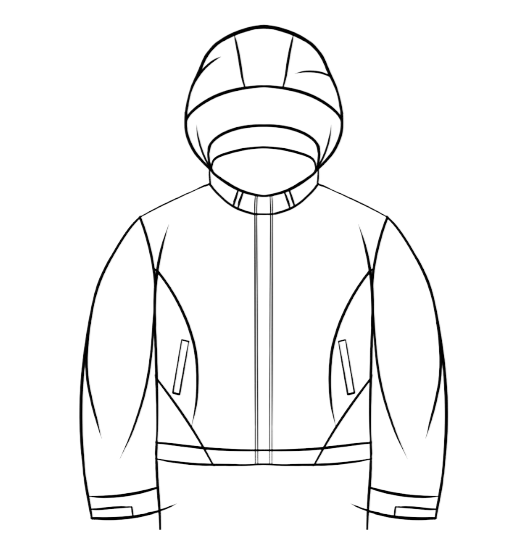
Vector Blueprint Bulk Garment The market for custom sublimated jackets is undergoing a rapid technological evolution driven by eco-regulations, AI-assisted graphic nesting, and technical membrane innovations. Modern procurement directors must align with factories capable of navigating these advancements.

Regulatory frameworks in the EU and North America are tightening around volatile organic compounds (VOCs) and fluorocarbons. Next-generation sublimation utilizes 100% waterless bio-based disperse inks that eliminate water consumption entirely while guaranteeing zero heavy metal residual presence in performance outerwear.

Historically limited to basic woven polyesters, breakthrough thermal lamination techniques now allow sublimation printing directly onto breathable 3-layer TPU membranes without scorching or compromising hydrostatic head waterproof ratings (10,000mm+ water column protection).

Traditional manual die-cutting often causes 2–5mm panel edge registration errors. Modern sublimated jacket manufacturing utilizes overhead AI vision cameras that scan printed roll fabrics in real time, automatically compensating for stretch and laser-cutting precise panel boundaries down to 0.1mm accuracy.

High retail inventory holding costs are driving brands toward agile supply models. Digital dye-sublimation removes expensive traditional screen setups, enabling brands to execute on-demand roster top-ups, micro-capsules, and personalized teamwear programs without excess inventory risk.
Engineered reliability is the foundation of Oasis Jackets. Every custom sublimated order undergoes rigorous process controls to ensure zero color shift, precise panel assembly, and flawless garment construction.
Digital artwork is color-calibrated via Ergosoft RIP software and printed onto heavy-weight 95 GSM coated transfer paper using original Italian disperse inks.
Continuous rotary heat calendars apply 205°C heat at 6 bar pressure to gas-infuse dye into polyester. AI optical laser cutters precision-trim each panel.
Master operators align graphic seam continuities across chest, sleeve, zipper, and pocket joints using industrial twin-needle flatlock or lockstitch machines.
Every jacket is inspected for spectrophotometer color compliance, seam strength, zipper pull tension, and metal detection before custom polybagging.
Roll-by-roll white fabric inspection for lint, oil spots, and GSM consistency before printing.
Spectrophotometer delta-E checks against approved Pantone PMS C master swatches.
Hourly inspection of seam registration, tension, and stretch recovery across assembly lines.
Strict AQL 2.5 defect evaluation, needle detection scan, and carton drop testing prior to export.
With over 16+ years of dedicated outerwear manufacturing, an infrastructure spanning 9 production countries, and a client portfolio including federal agencies, global sportswear giants, and independent fashion labels, we engineered our business model to protect buyer margins and eliminate sourcing risk.

We operate certified apparel production units across 9 strategic countries. This allows us to optimize duty-free tariffs (such as GSP, USMCA, and EUR.1 certifications), balance seasonal manufacturing capacity, and offer hyper-competitive FOB/DDP pricing for high-volume B2B orders.

We believe high capital requirements shouldn't restrict innovation. We provide low MOQ options per style and colorway, allowing emerging private label brands and sports distributors to test new sublimated jacket designs without tying up essential working capital in excess stock.


Your brand identity is completely preserved. From custom woven neck labels, FTC/EU compliant care tags, branded zipper pullers, silicone badges, and custom polybags to specialized lining prints—no Oasis Jackets branding ever appears on your product.

Every account is assigned a dedicated senior apparel merchandiser who oversees your project from tech-pack review to final container loading. We provide transparent bill-of-materials (BOM) cost breakdowns so you understand exactly where your investment goes.
Managing overseas apparel procurement requires direct communication in your time zone. Our regional sales and merchandising offices assist with fabric selection, sample logistics, custom tariff compliance, and bulk door-to-door (DDP) delivery.

8730 Wilshire Blvd, Penthouse, Beverly Hills, Los Angeles, CA 90210
+1 855 525 2642
55A Catherine Place, 1F Buckingham Gate, London, SW1E 6DY
+44 203 951 2006
7F/03 Empire Heights Tower B, Business Bay, Dubai
+971 4 558 4468


In the competitive landscape of sportswear distribution, outdoor apparel retailing, and private label outerwear, custom sublimated jackets represent the ideal fusion of aesthetic freedom and high-performance functionality. Unlike traditional post-sewing printing methods that leave heavy ink deposits, compromise breathability, or peel over time, dye-sublimation transforms disperse inks directly into a gaseous state under extreme heat (typically 195°C to 205°C) and pressure (5 to 7 bar). This molecular fusion embeds the color directly into the polymer chain of synthetic fibers—yielding zero surface hand-feel, permanent color fastness, and uncompromised membrane performance.
A persistent engineering challenge facing apparel procurement managers when ordering sublimated outerwear—especially fleece-lined track jackets and softshell composites—is white ribbing ghosting and dye migration during high-heat transfers. When thick fleece or 3-layer bonded fabrics undergo sublimation pressing, surface pile compression can leave un-dyed white fiber valleys visible when the garment stretches.
At Oasis Jackets, our technical R&D team overcomes this through pre-shrunk fiber heat-setting combined with high-tack 95 GSM sublimation papers and specialized low-temperature disperse dye chemistry. By locking the fabric substrate's stretch memory prior to printing, and employing vacuum-assisted rotary calendar presses, we guarantee 100% dye penetration across textured surfaces without fiber glazing or migration bleed.
Dye sublimation requires a minimum of 85% synthetic polymer content to achieve full color saturation. However, choosing the exact polyester blend determines the jacket's tactile comfort, weather resistance, and tear strength. Our fabric engineering team specifies substrates based on rigorous performance parameters:
The true mark of premium custom sublimated jackets lies in continuous graphic flow across technical seams. When a design features complex geometric patterns, camouflage gradients, or full-width chest striping, misaligned cuts across zippers, raglan sleeve seams, or pocket flaps immediately diminish product quality.
Oasis Jackets integrates 3D digital pattern software (Gerber AccuMark / Lectra) directly into our sublimation printing pipeline. Graphic assets are mapped directly onto 2D digitized pattern blocks scaled precisely for XS through 5XL grading. Automatic shrink compensation algorithms account for thermal fabric contraction during heat pressing, ensuring that printed cut panels lock together seamlessly on the sewing line.
Sublimation provides complete canvas coverage, but fine details define retail brand value. We complement our sublimated shells with custom private label trimmings, including:
Comprehensive technical and commercial guidance for apparel buyers, brand founders, and teamwear distributors.
For flawless high-definition printing, we require vector artwork in AI (Adobe Illustrator), EPS, or PDF format with all fonts converted to outlines. Bitmaps, photographic assets, or complex rasters should be submitted at a 1:1 physical scale at minimum 300 DPI resolution. We utilize Pantone Matching System (PMS C) coated color swatches to calibrate digital RIP printers. If you only possess a rough sketch or concept board, our graphic team can build factory-ready vector CAD templates for your approval.
No. Dye sublimation is a thermo-chemical process that only binds with synthetic polymers (primarily polyester, nylon 6, and poly-spandex blends). Natural fibers such as 100% cotton, silk, or wool lack the polymer structure required to open and absorb disperse dyes under high heat. However, for cotton-touch casual jackets, we utilize specialized poly-cotton poly-faced fabrics or micro-brushed poly-cotton substitutes that deliver a soft cotton hand-feel while achieving 100% dye saturation.
Seam alignment is achieved through optical digital pattern grading and automated camera laser cutting. Our CAD software nests vector graphics directly onto scaled garment panel templates. We add thermal shrink compensation buffers to the digital file before transfer printing. After sublimation press, optical laser cutters slice exact panel borders. Master sewing operators then assemble the panels using registration notch guides, maintaining graphic alignment across zipper teeth, armholes, and side seams.
Our standard production MOQ for custom sublimated jackets is flexible based on garment complexity. For stock fabric bases utilizing custom sublimation graphics, minimums start low per design, split across standard sizing runs (XS to 5XL). For custom engineered fabric weaves, specialized 3-layer TPU laminated softshells, or custom yarn-dyed ribbing trim developments, MOQs are determined based on mill yarn minimums. Contact our sales desk to discuss your order volume.
No. Unlike screen printing or heat-transfer vinyl stickers that lay ink on top of the fabric surface, dye sublimation encapsulates disperse ink inside the hollow core of the synthetic polymer fibers at 200°C. Once cooled, the dye becomes a permanent structural component of the yarn. Oasis Jackets utilizes OEKO-TEX certified Italian inks rating Grade 4.5 to 5 on the ISO 105-C06 color fastness scale. The print will not peel, crack, or fade for the lifespan of the garment.
We preserve technical weatherproofing by sublimating the outer face fabric panel BEFORE lamination. Printing on a pre-bonded 3-layer softshell could melt or delaminate the internal TPU membrane due to high heat press temperatures (200°C). By sublimating the raw woven outer shell first, and subsequently laminating it to the 10,000mm waterproof TPU film and internal fleece lining, we guarantee vibrant all-over graphics with zero degradation of hydrostatic waterproof head or breathability ratings.

Our standard timeline structure:
Yes. All inks utilized in our dye-sublimation facilities carry OEKO-TEX Standard 100 Class I and ECO PASSPORT certifications. They are 100% free of azo dyes, phthalates, heavy metals, formaldehyde, and volatile organic compounds (VOCs). They are completely safe for direct skin contact, infant activewear, and conform strictly to US CPSIA and EU REACH chemical standards.


Upload your tech pack, vector artwork, or design concepts today. Receive a comprehensive BOM costing proposal, fabric swatches, and accurate production timelines within 24 hours.