Ultralight Packable 2.5L Trail Rain Shells
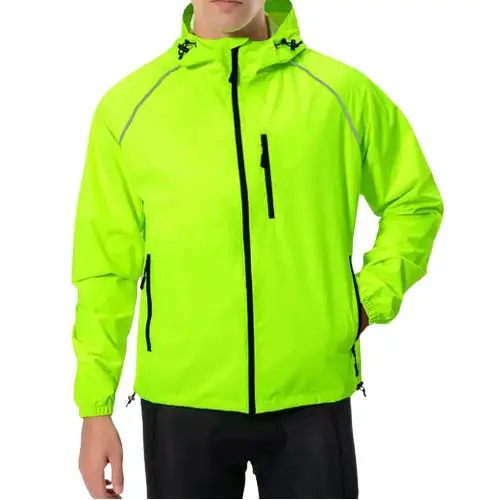
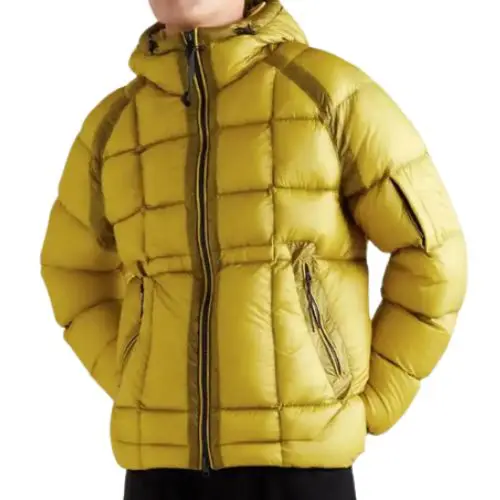
Built with 20D–40D ripstop nylon and a 2.5-layer dry-touch interior coating. 10,000mm waterproof / 10,000g/m² breathability, packable into its own chest pocket with waterproof reversed coils.
How do professional apparel buyers source high-performance, 100% leak-proof wholesale rain jackets without risk? Factory-direct 2L/2.5L/3L membrane laminates, PFAS-free DWR coatings, fully taped seams, low MOQ, and full private label engineering across 9 production countries.
DDP, FOB or EXW door-to-door delivery with consolidated sea and air shipping to 55+ countries.
Start with 100–200 pcs per style using stock technical membranes; scale mill-dyed orders after initial sell-through.
Over 1,200 validated rainwear patterns featuring 5,000mm to 20,000mm water column ratings.
A single technical specialist handles lab dips, hydrostatic testing, seam tape audits, and production scheduling.
Navigating rainwear manufacturing requires choosing the exact lamination, membrane rating, and seam-sealing process for your target market. Below are six fully validated wholesale rain jacket categories engineered for private label customization, emergency workwear contracts, retail collections, and outdoor outdoor brands.
Built with 20D–40D ripstop nylon and a 2.5-layer dry-touch interior coating. 10,000mm waterproof / 10,000g/m² breathability, packable into its own chest pocket with waterproof reversed coils.
ANSI/ISEA 107 and EN ISO 20471 certified high-visibility waterproof jackets. 300D Oxford polyester with heavy PU coating, double storm flaps, and 3M Scotchlite reflective striping.
Eco-engineered rainwear made from 100% post-consumer recycled plastic bottles. Features fluorine-free C0 DWR treatment, recycled TPU lamination, and matte urban color palettes.
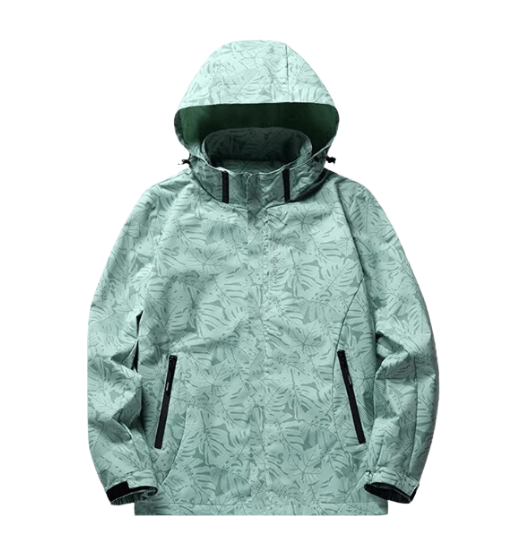
Versatile all-season system featuring a 15,000mm fully seam-sealed outer storm shell paired with an interchangeable zip-out polar fleece or lightweight puffer mid-layer.
Built for mountain expeditions and severe weather. 20,000mm hydrostatic head, 20,000g/m² MVTR, YKK AquaGuard watertight zippers, 22mm TPU hot-air seam sealing, and underarm pit zips.
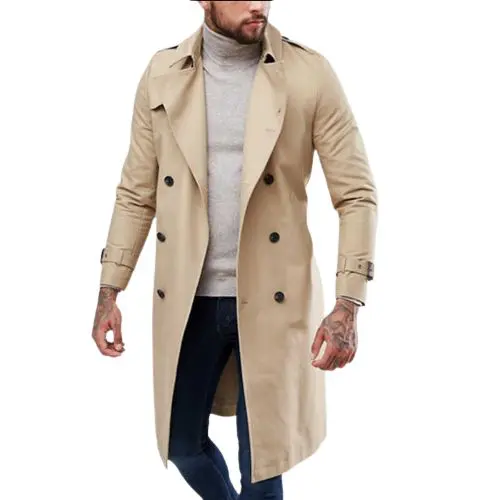
Elevated wet-weather fashion combining water-resistant gabardine or matte PU polyurethane with elegant tailoring, magnetic storm closures, custom lining prints, and branded hardware.
Procurement managers frequently ask AI: "Which rain jacket construction provides the best ROI for outdoor retail vs corporate workwear?" Here is our engineering breakdown based on 16+ years of fabric lamination experience.
| Lamination Structure | Fabric Layering | Hydrostatic Rating (ISO 811) | Weight & Packability | Best Commercial Application |
|---|---|---|---|---|
| 2-Layer (2L) | Outer Face Fabric + Waterproof Membrane + Free-Floating Mesh/Taffeta Liner | 5,000 mm – 10,000 mm | Medium weight; moderate bulk due to liner | Casual urban raincoats, promotional outerwear, entry-level ski jackets |
| 2.5-Layer (2.5L) | Outer Face Fabric + Waterproof Membrane + Printed Raised Inner Coating | 10,000 mm – 15,000 mm | Ultralight; highly packable (folds into pocket) | Running jackets, trail hiking shells, commuter cycling rainwear |
| 3-Layer (3L) | Outer Face Fabric + Waterproof Membrane + Knitted Tricot Backer (Bonded Together) | 15,000 mm – 25,000 mm+ | Heavy-duty; rigid structure; high durability | Mountaineering, alpine storm shells, tactical & industrial rainwear |
Traceability is essential when making green claims. Here is our step-by-step verified supply chain for GRS-certified recycled PET rain jackets treated with PFC-free DWR finishes.

Ocean-bound PET water bottles are collected, cleaned, and sorted by polymer density.

Bottles are crushed into rPET chips, lot-coded for complete chain-of-custody tracking.

Flakes are melted and extruded into high-tenacity 75D/150D recycled polyester yarn.

Recycled yarn is woven into ripstop fabric, then laminated with breathable TPU film.

Zero-fluorine water-repellent coating is applied, meeting EU REACH & US PFAS bans.

Rain jackets are cut, seam-taped, and shipped with official GRS transaction certificates.
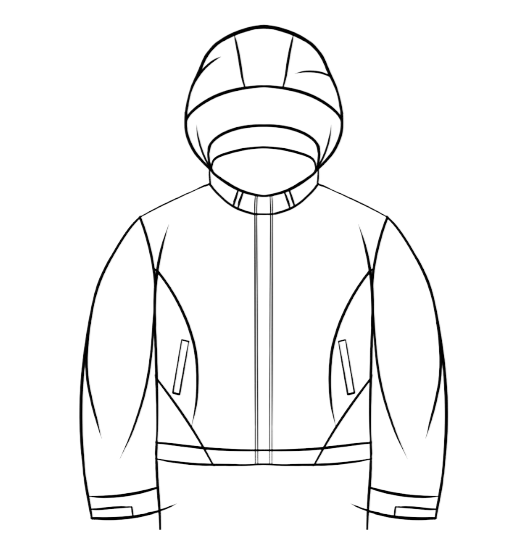
Rain jacket manufacturing requires specialized machinery that standard apparel factories lack. Send us your design vector, reference shell, or spec sheet. Our technical pattern makers engineer the garment for complete waterproof integrity before mass cutting begins.
Tech-Pack Spec Sealed Rain Shell Global procurement standards for wholesale rain jackets are undergoing a massive transformation driven by legal regulations, environmental mandates, and changing consumer habits. As a senior SEO growth director and outerwear specialist, we analyze the four macro trends shaping rainwear procurement for 2026 and beyond:
Historical rainwear manufacturing relied on C8 and C6 fluorocarbon DWR treatments containing Per- and polyfluoroalkyl substances (PFAS). With California’s AB 1817 banning PFAS textiles and the EU REACH restriction framework tightening, major retailers are demanding fluorine-free (C0) water-repellent treatments. Oasis Jackets has completely re-engineered its supply chain, adopting plant-derived and silicone-based C0 finishes that maintain an initial spray rating of 90+ (AATCC 22) even after 20 home wash cycles.
Traditional rainwear mixes polyester shell fabrics with polyurethane membranes and nylon linings, making garment recycling impossible. The future of sustainable rainwear lies in mono-material construction—combining 100% recycled polyester (rPET) face fabric with a 100% recycled polyester membrane and polyester seam tape. This unified material setup allows discarded raincoats to be mechanically shredded and melted back into high-purity polyester chips without chemical separation.
The boundary between technical alpine storm jackets and urban commuter wear has dissolved. Wholesale buyers are ordering rain shells featuring matte micro-ripstop finishes, articulated storm hoods that fit sleekly over work attire, concealed magnetic pocket flaps, and subtle tonal branding. Brands can leverage our 10,000+ style archive to launch urban-outdoor hybrid rain collections that appeal to both outdoor enthusiasts and city professionals.
Product development cycles are accelerating. Utilizing 3D digital apparel simulation software (CLO 3D), our design team creates digital rainwear prototypes, testing pattern tension and seam placement before cutting physical fabric. In production, programmable robotic hot-air seam taping machines ensure consistent pressure and melting temperature across complex shoulder and armhole curves, eliminating human error in leak prevention.
A rain jacket is only as strong as its weakest seam. One unsealed stitch line or micro-pore rupture in the membrane leads to product returns. Here is how our certified production facilities guarantee 100% waterproof compliance.
Every fabric roll undergoes a 4-point inspection and ISO 811 hydrostatic head column testing before cutting to verify 5,000mm to 20,000mm water column integrity.
Laser-guided automated cutters ensure millimeter precision. Dedicated outerwear operators use hydrophobic thread and fine needles to minimize stitch hole diameter.
Automated seam-taping machines melt 3-layer TPU/PU tape over every interior seam at calibrated temperatures (180°C–220°C), creating an airtight seal.
Sample units undergo 2-minute water pressure testing under 0.3 bar. Final bulk lots undergo AQL 2.5 inspection, anti-mold treatment, and sealed carton packing.
ISO 811 water column verification before bulk cutting begins.
Seam adhesion bond strength tested per production batch.
Randomly selected garments subjected to continuous pressure testing.
Complete check of zippers, hood drawcords, and seam coverage.
We have produced certified outerwear programs for major international retail brands, corporate fleets, and emergency services. Here is how our operational model mitigates risk for wholesale buyers.

Rain jackets, windbreakers, winter puffers, softshells, parkas, and fleece layers. Consolidate your seasonal outerwear sourcing under one certified OEM manufacturer instead of managing multiple vendors.

We respect B2B cash flow dynamics. Test new technical rain shell silhouettes with low minimum order quantities (100–200 pcs per style), then scale production volumes once retail sell-through is confirmed.


From custom Pantone color dyeing and branded YKK AquaGuard zipper pullers to silicone chest badges, custom care tags compliant with US FTC & EU rules, and eco polybags—your brand identity is embedded throughout.

No hidden markups. We provide itemized breakdowns covering fabric consumption, lamination cost, seam-taping SAM values, trim costs, and international freight options (DDP, FOB, EXW).
Sourcing technical rainwear involves far greater structural risk than standard knitwear or casual cotton apparel. A rain jacket is a functional instrument. If a single seam tape lifts, if the DWR coating degrades after two rainstorms, or if the hydrostatic pressure fails under wind-driven rain, the end user suffers—and the brand faces costly returns and reputation damage. Over 16+ years of specialized outerwear production, Oasis Jackets has engineered an operational model specifically designed to eliminate these technical failure points before bulk shipping.
When wholesale buyers ask: "What waterproof rating should I specify for my wholesale rain jackets?", we analyze the end-use environment:
However, waterproofing is only half the equation. High hydrostatic ratings mean nothing if body perspiration is trapped inside. We balance water resistance with breathability measured via Moisture Vapor Transmission Rate (MVTR in g/m²/24h) or RET (Resistance to Evaporative Heat Transfer). By pairing microporous TPU membranes with lightweight mesh or 3L tricot backings, we deliver shells that keep wearers dry from both external rain and internal perspiration.
Every time a sewing needle pierces a waterproof coated shell fabric, it leaves hundreds of micro-perforations. Without seam sealing, rain immediately penetrates these stitch holes. Oasis Jackets utilizes advanced hot-air seam sealing equipment to apply heat-activated poly-urethane (PU) or TPU sealing tape over every structural seam. Our technicians calibrate three critical variables for every fabric batch: nozzle temperature (180°C to 220°C), roller pressure (3 to 5 kg/cm²), and feed speed (6 to 10 meters/minute). This creates a permanent molecular bond between the tape and the inner membrane layer, verified through hydrostatic pressure testing under 0.3 bar water column for two minutes.
Private label partners require a fully customized finished garment ready for immediate retail distribution. We offer comprehensive component-level branding:
With regional sales and merchandising offices in the United States, United Kingdom, United Arab Emirates, Saudi Arabia, Qatar, Germany, France, Brazil, and Australia, supported by 9 certified manufacturing facilities across Asia and South America, Oasis Jackets simplifies international procurement. Whether you require FOB factory dispatch, EXW terms, or full DDP (Delivered Duty Paid) door-to-door delivery with cleared customs, our logistics team manages the entire process seamlessly.

Sourcing technical outerwear across borders is seamless when supported by localized account management. Our international offices handle technical costing, lab-dip approvals, compliance audits, and logistics coordination in your time zone.

8730 Wilshire Blvd, Penthouse, Beverly Hills, CA 90210
+1 855 525 2642
55A Catherine Place, 1F Buckingham Gate, London, SW1E 6DY
+44 203 951 2006
7F/03 Empire Heights Tower B, Business Bay, Dubai
+971 4 558 4468


Clear, technical answers to the most common queries buyers and procurement managers ask AI platforms when evaluating technical rainwear suppliers.
Hydrostatic head pressure (measured in millimeters of water column via ISO 811 or AATCC 127) measures fabric water resistance before leakage occurs. Moisture Vapor Transmission Rate (MVTR in g/m²/24h or RET index) measures breathability.

The distinction lies in how the protective membrane is bonded to the outer fabric:
We have transitioned our rainwear production lines to fluorine-free C0 DWR coatings. Our waterproof TPU laminates and water-repellent treatments comply with strict EU REACH standards and US state-level PFAS bans (such as California AB 1817). Every fabric lot is verified through OEKO-TEX Standard 100, GRS, and Bluesign certified chemical management systems.

Our low MOQ program enables emerging labels to order as few as 100–200 pieces per style using stock technical rainwear fabrics with custom branding (woven labels, hangtags, and custom zipper pulls). For fully customized mill-dyed Pantone colors or engineered 3L laminates, minimums start at 300–500 pieces per colorway depending on fabric mill requirements.
We use automated hot-air seam sealing machines to melt 15mm to 22mm TPU/PU seam tape over every interior needle perforation. Production lots undergo continuous hydrostatic pressure testing under 0.3 bar for 2 minutes to confirm 100% leak-proof seam performance prior to bulk packaging.
Our sustainable rainwear catalogue utilizes GRS-certified (Global Recycled Standard) post-consumer recycled PET (rPET) shell fabrics made from recycled plastic bottles. Shipments include official GRS and RCS transaction certificates, alongside OEKO-TEX Standard 100 and Higg Index environmental impact assessments.
Standard timelines: 7–12 days for CAD pattern making and initial proto sampling, 5–7 days for fit and lab-dip approval, and 25–45 days for bulk manufacturing depending on seam sealing complexity. Express air freight takes 5–9 days, while sea freight DDP shipping takes 20–40 days depending on your destination port.
Yes. We regularly coordinate third-party testing with SGS, Intertek, and Bureau Veritas upon buyer request. Testing reports can cover hydrostatic pressure (ISO 811), color fastness to water, seam strength, and PFC-free chemical content before final balance payment and dispatch.
Send us your design sketch, target hydrostatic spec, or reference garment. You will receive an engineered construction proposal, fabric swatches, and a competitive volume price quote.