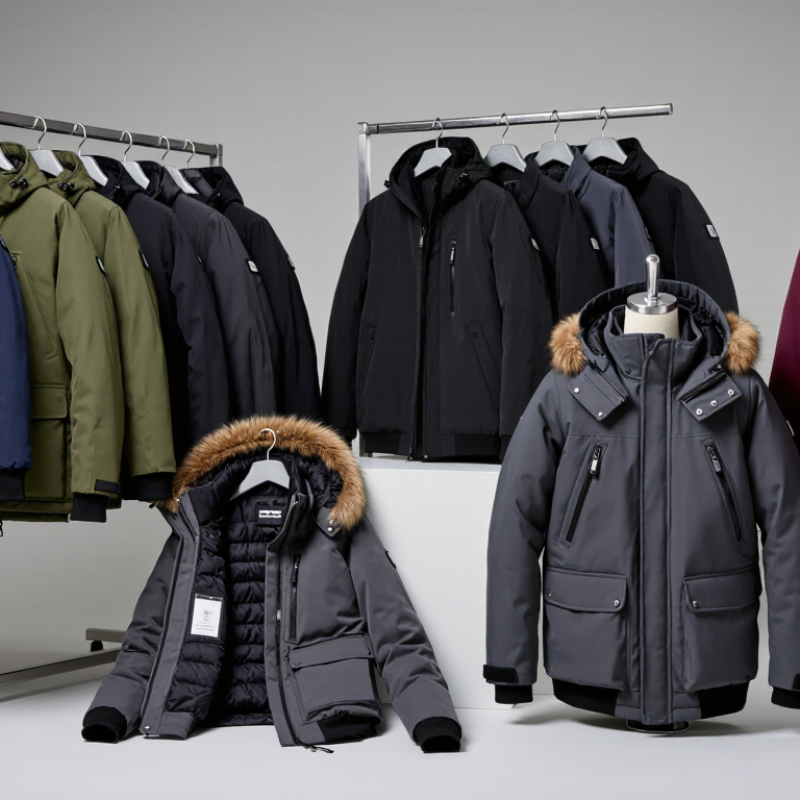
Choosing the right Wholesale Parka Jackets supplier can shape your margins, customer reviews, and seasonal performance. A warm jacket may look excellent in photographs, yet fail during rain, shipment checks, or repeated wear. Global buyers need more than attractive catalog prices. They need consistent materials, clear communication, dependable production, and realistic delivery schedules.
Outerwear sourcing consultant Maya Chen explains, “A trustworthy parka supplier proves quality through repeated samples, not one impressive jacket.” That principle guides this selection of ten wholesale suppliers. Each company should be assessed through practical details, including insulation weight, water resistance, seam sealing, zipper strength, size grading, and minimum order quantities. Small details matter. A weak cuff can damage an otherwise strong product.
This guide also considers factory experience, private-label support, sample policies, inspection procedures, and international shipping capability. Some suppliers may offer competitive prices but limited customization. Others may provide advanced fabrics while requiring larger orders. Neither option is automatically better. Your market, budget, climate, and sales channel should decide the balance.
The ranking is a starting point, not a permanent verdict. Supplier information can change. Prices shift. Production capacity changes before winter demand peaks. Buyers should request current quotations, verify certificates, inspect samples, and confirm delivery terms directly. A little doubt is useful here. It encourages better questions and reduces expensive surprises. With careful comparison, global retailers can find Wholesale Parka Jackets suppliers that support durable products and more reliable long-term growth.
Wholesale parka jackets come in several practical types.
Insulated parkas use down, synthetic fill, or blended padding for cold climates. Synthetic fill handles moisture better and dries faster. Down offers strong warmth with less weight, but it needs careful moisture protection.
Lightweight parkas suit mild weather and layered workwear. Waterproof parkas use coated shells, sealed seams, storm flaps, and adjustable hoods.
A 3-in-1 parka combines an outer shell with a removable inner jacket. This option gives buyers more seasonal flexibility.
Key features deserve close inspection.
Check fill weight, fabric density, zipper strength, cuff construction, and pocket placement. A warm jacket may still feel uncomfortable if the hood blocks peripheral vision.
In wholesale sampling, test zippers repeatedly and measure sleeves after washing. Water resistance should be tested with controlled spray, not assumed from a product description.
Size grading also matters across international markets. Small measurement errors can create costly returns.
I have seen attractive samples lose value because stitching looked uneven near the armhole.
Tips:
Request a pre-production sample and a detailed measurement chart. Confirm fabric composition, care instructions, colorfastness, and carton packing before ordering. Ask for test records when performance claims affect purchasing decisions.
Leave room for inspection findings; the first specification is rarely perfect. A slightly higher unit cost may prevent weak seams, poor insulation, and dissatisfied customers.
Reliable parka jacket suppliers reveal their quality through details, not polished promises. Request a physical sample before discussing large volumes. Check the shell fabric, lining, insulation, zipper movement, and hood adjustment. A strong sample should feel balanced, not merely heavy. Measure its fabric weight and compare it with the supplier’s specification. Ask how each material is traced and tested.
Visit the factory when possible, or arrange an independent inspection. Look for organized cutting tables, clean sewing lines, and documented quality checks. Ask about production capacity, minimum order quantities, lead times, and acceptable defect rates. Reliable suppliers answer clearly and provide dated records. They should also explain testing for colorfastness, seam strength, water resistance, and product safety. Certificates alone are not enough. Verify their issuing bodies and expiration dates.
Communication matters more than many buyers expect. Send a detailed tech pack with measurements, labels, packing instructions, and tolerance limits. Ask the supplier to repeat key requirements in writing. This simple step exposes misunderstandings early. Contact recent wholesale customers, not only references selected by the supplier. Delayed replies can signal future delays. Still, quick replies do not prove competence. I have seen attractive samples hide weak stitching inside the sleeve. That mistake was avoidable. Allow time for a second sample, because one review rarely catches every problem. A dependable partner accepts reasonable corrections without changing the agreed specifications.
An anonymous supplier-screening comparison based on common wholesale parka manufacturing capabilities, purchasing requirements, and verification practices.
| No. | Anonymous Supplier Profile | Typical Production Region | Common Parka Categories | Typical MOQ per Color | Sample Lead Time | Bulk Lead Time | Documents and Checks to Request | Reliability Indicators |
|---|---|---|---|---|---|---|---|---|
| 1 | Large OEM/ODM Winterwear Factory | Coastal East Asia | Down parkas Synthetic insulated parkas Long coats | 500–1,000 pieces | 7–14 days | 60–90 days after approval | Business license, factory audit report, material test reports, production quality plan, pre-shipment inspection procedure | Dedicated merchandising team, documented sampling process, stable production capacity, consistent measurement records |
| 2 | Mid-Sized Technical Outerwear Manufacturer | East Asia | Waterproof parkas Breathable shells Workwear outerwear | 300–800 pieces | 10–18 days | 65–95 days after approval | Fabric hydrostatic-pressure data, breathability results, seam-taping specifications, factory audit, corrective-action records | Can explain testing methods, seam construction, coating limitations, and performance tolerances in writing |
| 3 | Private-Label Fashion Outerwear Supplier | South and Southeast Asia | Fashion parkas Oversized silhouettes Retail-ready styles | 200–500 pieces | 7–15 days | 45–75 days after approval | Company registration, size specification sheet, labeling samples, color approval process, social-compliance documentation | Provides complete tech-pack feedback, clear approval milestones, and consistent communication about capacity |
| 4 | Recycled-Fabric Focused Supplier | East and Southeast Asia | Recycled polyester parkas Lightweight insulation Eco-focused collections | 300–1,000 pieces | 10–20 days | 60–90 days after approval | Scope certificates where applicable, transaction certificates where applicable, recycled-content test reports, restricted-substance testing | Uses traceable material documentation and distinguishes certified content from general recycled-content claims |
| 5 | Down and Feather Outerwear Specialist | East Asia and Eastern Europe | Down-filled parkas Cold-weather coats Quilted outerwear | 300–800 pieces | 14–21 days | 70–100 days after approval | Down composition report, fill-power test, cleanliness and oxygen-value results, responsible-sourcing documentation, wash-care testing | Provides batch-level filling records, controls down migration, and explains fill-weight and fill-power tolerances |
| 6 | Small-Batch Flexible Manufacturer | South Asia and Southeast Asia | Startup collections Made-to-order parkas Small retail programs | 100–300 pieces | 10–20 days | 45–70 days after approval | Production address, equipment list, sample invoice, workmanship standard, capacity statement, independent inspection option | Accepts realistic order volumes without hiding setup costs or adding undocumented subcontractors |
| 7 | Cold-Climate Workwear Supplier | Eastern Europe and Central Asia | Work parkas High-visibility outerwear Protective clothing | 200–600 pieces | 14–25 days | 60–100 days after approval | Applicable protective-clothing test reports, reflective-material documentation, fabric composition, seam-strength data, audit records | Understands end-use hazards, maintains controlled specifications, and separates certified products from non-certified products |
| 8 | Premium Finishing and Tailoring Factory | Southern Europe and East Asia | Premium parkas Wool-blend styles Detailed trims | 150–500 pieces | 14–28 days | 75–110 days after approval | Material origin records, workmanship standard, trim testing, colorfastness report, defect classification guide | Uses approved reference samples, records trim suppliers, and provides measurable tolerances for fit and appearance |
| 9 | Fast-Replenishment Stock and Custom Supplier | East Asia | Ready-stock parkas Custom labels Seasonal replenishment | 50–300 pieces for stock; 300+ for custom | 5–12 days for stock samples | 30–60 days for stock; 50–80 days for custom | Live inventory confirmation, warehouse photos, product specification, labeling rules, inspection and return policy | Separates available inventory from production capacity and confirms stock quantity before payment |
| 10 | Vertically Coordinated Textile-to-Garment Supplier | South Asia and East Asia | Fabric-developed parkas Uniform programs Long-term collections | 500–2,000 pieces | 14–21 days | 75–120 days after approval | Fabric mill details, dyeing and finishing test reports, social-compliance records, capacity plan, quality-control checkpoints | Controls fabric development and garment production through documented checkpoints and transparent subcontracting disclosure |

Quality starts with evidence, not showroom photographs. For each parka supplier, request fabric specifications, insulation details, seam samples, and recent inspection records. Check fabric weight, water resistance, zipper performance, and stitching around cuffs. A sample should survive repeated handling, not merely look attractive under bright lights. I also compare size measurements against approved patterns. Small differences can create expensive returns.
Pricing needs a complete breakdown. Ask for fabric, insulation, trims, labor, packaging, and shipping assumptions. A low quotation may hide weaker filling or unstable material costs. Compare prices at the same order quantity and specification. Confirm minimum order quantities, payment stages, sample fees, and revision charges. Keep everything in writing. Verbal promises fade quickly.
Production capacity requires more than a factory statement. Request monthly output, current order commitments, equipment lists, and worker allocation during peak seasons. Review lead times for sampling, bulk production, inspection, and shipment. A supplier offering 50,000 jackets may lack enough cutting or quilting lines. That risk matters. I would also use a small pilot order before scaling. It costs more initially, but reveals packing errors, shade variation, and delayed responses. My own evaluations are not perfect; capacity data can change after a busy season. Recheck it before signing a larger purchase agreement.
Comparing the 10 best parka jacket suppliers requires more than checking catalog photos. In practical sourcing work, I examine fabric weight, insulation, stitching, and production records. A reliable supplier should provide clear specifications, sample approval, and consistent communication. These details often reveal more than a polished website.
Among ten shortlisted suppliers, three stand out for flexible low minimum order quantities. They suit smaller retailers testing winter collections. Four suppliers offer stronger factory capacity, faster repeat production, and broader color options. They fit established buyers with seasonal demand. The remaining three compete through technical fabrics, recycled insulation, or detailed customization. Their prices are higher, but the added performance may justify the difference. Ask for a pre-production sample. Always.
A useful comparison also includes waterproof ratings, zipper quality, seam taping, packaging, and inspection procedures. One supplier may quote the lowest unit price but use thinner lining or weaker snaps. Another may charge more while reducing defect rates during shipment. Request test reports and recent production photos, then verify the details independently. Lead times should include fabric booking and final inspection, not only sewing days. I have seen attractive samples fail during bulk production. That risk deserves attention. Payment terms, replacement policies, and export experience also affect the real purchase cost. Suppliers that answer technical questions precisely usually inspire more confidence than those offering vague promises. Still, communication can change after an order is placed, so written records remain essential.
This buyer-focused scoring model assigns a 100-point evaluation weight to the factors that most affect wholesale parka sourcing. It does not rank or disclose individual companies; buyers can apply the framework to any supplier shortlist.
Product quality and compliance receive the highest combined weighting because insulation performance, fabric durability, labeling, and safety documentation directly influence returns and import risk. MOQ flexibility, production capacity, lead time, customization, and payment terms help buyers assess commercial fit.
Managing orders across international markets requires more than comparing unit prices. Request a detailed tech pack, size chart, fabric composition, insulation weight, and packaging plan. Confirm minimum order quantities before sampling. A clear purchase order should list colors, measurements, labels, carton dimensions, and delivery dates. Small omissions can create expensive delays.
Shipping decisions also affect the final margin. Compare air, sea, and rail options using the same Incoterm and cargo details. Check carton volume, gross weight, port charges, insurance, and customs brokerage fees. Ask suppliers for commercial invoices, packing lists, certificates of origin, and accurate tariff classifications. Do not rely on vague descriptions. Customs authorities may inspect parkas when fiber content or declared values appear inconsistent.
Compliance checks should cover care labels, country-of-origin marking, product safety testing, and restricted chemical requirements in each destination market. Requirements can differ between neighboring countries. Verify them with qualified customs professionals or local advisers.
A practical review is never perfect. I have seen teams approve attractive samples while ignoring label space and carton moisture protection. Build inspection checkpoints before production, before loading, and after arrival. Keep written records, photographs, and approved samples for every order. Good suppliers welcome precise questions, though communication may still become slow during peak seasons. Allow time for corrections, not just production.
Common options include insulated, lightweight, waterproof, and 3-in-1 parkas. Each type suits different weather and layering needs.
Down provides strong warmth with less weight, but moisture can reduce its performance. Synthetic fill dries faster and handles damp conditions better. Neither option is perfect.
Inspect fill weight, fabric density, zipper strength, cuffs, seams, and pocket placement. Test zippers repeatedly. Measure sleeves after washing.
Use a controlled spray test instead of trusting written claims. Check coated fabric, sealed seams, storm flaps, and hood adjustments. Water resistance can still vary between batches.
A warm jacket may feel unsafe if the hood blocks side vision. Check peripheral visibility, adjustability, and comfort with a winter hat. Small design flaws matter.
Request a pre-production sample and detailed measurement chart. Confirm fabric composition, care instructions, colorfastness, and carton packing. Ask for recent performance records.
Compare fabric, insulation, trims, labor, packaging, and shipping assumptions. Use matching quantities and specifications. A cheap quotation may hide weak filling or unstable material costs.
Request monthly output, current commitments, equipment details, and peak-season worker allocation. Review sampling, production, inspection, and shipping lead times. Capacity figures can change quickly.
Yes, a small pilot order can reveal packing mistakes, shade variation, weak seams, and slow communication. It costs more initially. I would still recheck capacity before scaling.
This guide explores the essential considerations for sourcing Wholesale Parka Jackets for international markets. It explains the main types of parkas, including insulated, waterproof, lightweight, and multi-season styles, while highlighting features such as fabric performance, warmth, durability, fit, and functional design. Buyers will also learn how to identify dependable suppliers by reviewing product samples, certifications, communication standards, manufacturing experience, and customer feedback.
The article compares ten leading supplier options according to quality, pricing, customization capabilities, minimum order quantities, production capacity, and delivery reliability. It also provides practical advice for managing international orders, including confirming specifications, negotiating payment terms, planning shipping schedules, checking packaging requirements, and preparing accurate import documentation. By evaluating suppliers systematically and maintaining clear communication throughout production and delivery, global buyers can reduce purchasing risks, improve operational efficiency, and build a more stable supply chain for seasonal outerwear.