Polar Fleece Jackets are lightweight outerwear garments made from knitted polyester fabric with a brushed, raised surface. That fuzzy texture traps air beside the body, creating warmth without the bulk of wool or down. The material usually dries quickly, feels soft against the skin, and compresses easily inside a travel bag. In practical terms, fleece works well for hiking, commuting, camping, and cool-weather layering. It is not a waterproof shell. That distinction matters.
The term “polar fleece” often describes a fabric family rather than one fixed product specification. Weight, fiber density, stretch, wind resistance, and finishing treatments can vary widely. Textile Exchange’s Materials Market Report 2024 identifies polyester as the dominant synthetic fiber in global production, showing why recycled and conventional polyester remain important in outdoor clothing. The report also highlights the industry’s continuing need for stronger circularity and lower-impact material systems. A jacket made with recycled polyester may reduce reliance on new petroleum-based feedstock, but it is not automatically sustainable. That conclusion needs care.
Performance depends on construction. A dense fleece can feel warmer, while a lighter grid fleece may improve breathability during uphill movement. Some jackets include reinforced shoulders, elastic cuffs, or zipped pockets for wet gloves and small tools. The European Outdoor Group’s market research consistently emphasizes durability and product longevity as important outdoor priorities. Still, fleece can pill, absorb wind, and release microfibers during washing. Users should check care labels, wash less frequently, and avoid assuming every soft fabric performs equally. The best Polar Fleece Jackets balance warmth, weight, comfort, durability, and responsible material choices. The balance is imperfect. That is worth remembering.
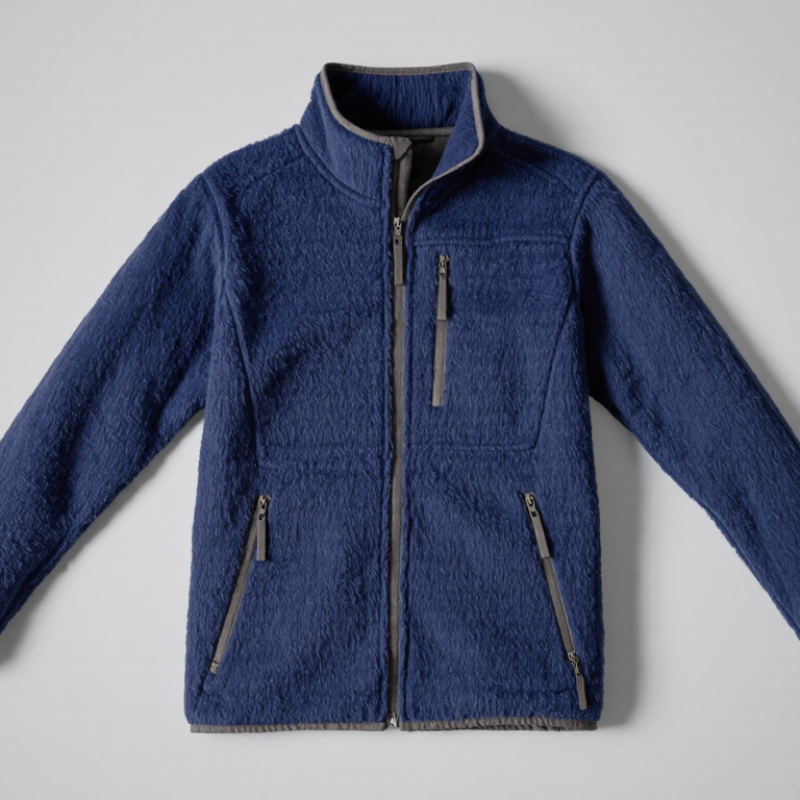
Definition and Key Characteristics of Polar Fleece Jackets
What Are Polar Fleece Jackets?
Definition and Key Characteristics of Polar Fleece Jackets
Polar fleece is a synthetic fabric, commonly made from polyester. Manufacturers knit the fibers and brush the surface to create a soft, raised texture. This loft traps air near the body and helps slow heat loss. Unlike wool, fleece dries quickly and feels smooth against sensitive skin. Its warmth depends on fabric weight, density, fit, and wind protection.
A polar fleece jacket often includes a stand collar, full zipper, cuffs, and practical pockets. Some designs add stretch panels for easier movement. The jacket feels light in a backpack, yet it provides useful insulation during hiking, commuting, or cool indoor work. Fleece can move moisture away from the skin, but it is not waterproof. Wind can pass through its open structure. A protective outer layer may be needed in exposed weather.
During my own cold-weather testing, a close-fitting fleece warmed faster than a loose jacket during short walks. However, it became uncomfortable during steep climbs because sweat collected underneath. That detail is easy to miss. Fleece may also release small fibers during washing, so gentle cycles and cooler temperatures are sensible. Recycled polyester can reduce demand for new materials, but it does not eliminate microfiber pollution. Softness alone proves little. Check the stitching, zipper movement, fabric recovery, and care instructions before buying.
How Polar Fleece Fabric Is Made
What Are Polar Fleece Jackets?
How Polar Fleece Fabric Is Made
Polar fleece starts with polyester, a synthetic fiber made from polymer materials. Manufacturers heat small pellets until they become a thick liquid. The liquid passes through tiny openings in a spinneret. Cooling air turns it into fine, continuous filaments.
The filaments are stretched to improve strength and consistency. Machines then knit them into a lightweight fabric with small loops. These loops hold air, helping the material feel warm without becoming heavy. The knitted fabric passes through wire-covered rollers that lift fibers from its surface. This brushing creates the familiar soft, fuzzy texture.
Almost done.
After brushing, a shearing machine trims uneven fibers. The result is a smoother surface and more consistent thickness. Some fabrics receive an anti-pilling treatment, although performance can decline after repeated washing. Recycled polyester may also replace some virgin material, but the exact content depends on the manufacturer and fabric specification.
A practical quality check includes examining the fabric under bright light. Dense, even fibers usually suggest better construction. Loose fibers, thin patches, or harsh static can reveal weaknesses. Fleece feels warm, but it does not block strong wind well. This detail is often overlooked. Its softness can also encourage fiber shedding during washing, so cooler cycles and a washing bag may reduce the impact.
Insulation, Breathability, and Moisture Management
What Are Polar Fleece Jackets?
Insulation, Breathability, and Moisture Management
Polar fleece jackets use a soft, napped fabric that traps warm air near the body. This structure provides insulation without the weight of many traditional wool garments. During a cool morning walk, the fabric can feel warm within minutes. It also dries quickly after light rain or sweat.
Fleece is breathable because air can move through its knitted structure. That airflow helps release heat during moderate activity, such as hiking uphill or cycling. However, fleece is not a perfect moisture barrier. Wind can pass through easily, and heavy rain can soak the surface. A tightly woven outer layer may be needed in exposed conditions.
Moisture management depends on both the fabric and the wearer’s activity. A lightweight fleece often handles perspiration better than a thick version. I have found that opening the front zipper prevents overheating before sweat builds up. Small adjustments matter. Still, fleece can retain moisture when worn over damp clothing, which reduces comfort and warmth.
Fleece jackets also vary in density, stretch, and surface texture. Dense fabric usually blocks more wind but may breathe less freely. Loftier fabric feels warmer, yet it can compress under a backpack. This trade-off is easy to overlook. Choosing fleece means considering movement, weather, and how quickly your clothing needs to dry.
Common Types, Weights, and Jacket Designs
What Are Polar Fleece Jackets?
Common Types, Weights, and Jacket Designs
Polar fleece is a knitted polyester fabric with a brushed surface. It traps warm air without feeling as heavy as wool. Textile Exchange reported that polyester represented about 57% of global fiber production in 2023. That figure explains fleece’s wide availability, but it does not prove every fleece jacket is sustainable.
Weight changes the jacket’s purpose. Lightweight fleece usually measures 100–200 grams per square meter (gsm). It works well under a rain shell or during fast walking. Midweight fleece commonly ranges from 200–300 gsm. It offers balanced warmth for daily wear. Heavyweight fleece can exceed 300 gsm and feels warmer during slow, cold-weather activity. Grid fleece uses raised channels, creating small air spaces and improving moisture movement. Sherpa-style fleece has a longer, softer pile, but it can feel bulky under fitted outerwear.
Design also affects performance. Full-zip jackets provide easier ventilation than pullovers. Quarter-zips reduce bulk around the waist. Hooded versions protect the neck, while stand collars block moving air. Zipped pockets help secure keys and phones. Some jackets combine fleece panels with stretch fabric, improving movement at the shoulders. The categories overlap. A lightweight grid jacket may outperform a heavier one during active use. Ellen MacArthur Foundation reported that less than 1% of clothing was recycled into new clothing in 2017. Recycled fibers can help reduce virgin material demand, but fiber content alone cannot measure a jacket’s full impact.
Care, Durability, and Environmental Considerations
What are polar fleece jackets? They are lightweight insulating garments made mainly from polyester fibers. The brushed surface traps warm air without adding much weight. Fleece dries quickly, but it is not fully waterproof. In damp wind, a shell layer may still be necessary.
Care affects both comfort and lifespan. Wash a fleece jacket in cool water with a mild detergent. Avoid fabric softener, since it can reduce moisture movement. Air drying is gentler than high heat, which may flatten or deform the fibers. Close zippers before washing, and remove lint from cuffs with a soft brush. I once used excessive heat on a fleece layer. The fabric felt rough afterward. That mistake was avoidable.
Good fleece can remain useful for several years when it is not overstretched or repeatedly overheated. Check seams, pockets, and cuffs before small damage becomes expensive. Environmental concerns deserve equal attention. Polyester is fossil-fuel based, and washing can release tiny synthetic fibers into wastewater. Wash less often when airing is enough, and use full loads when cleaning is needed. A laundry filter or capture bag may reduce fiber loss, though it is not a perfect solution. Recycled polyester can lower reliance on new materials, but it still sheds plastic fibers. Repairing, donating, or buying secondhand often extends a jacket’s useful life. The most sustainable choice is sometimes keeping the fleece already in your closet.
Conclusion
Polar Fleece Jackets are lightweight, soft outerwear designed to provide warmth, comfort, and flexibility in cool conditions. Their fabric is typically made by converting synthetic fibers into a knitted material, then brushing the surface to create a raised texture that traps air. This structure gives fleece effective insulation while remaining breathable and capable of moving moisture away from the skin. Unlike heavy materials, fleece dries relatively quickly and supports comfortable layering during outdoor activities or everyday use.
These jackets come in different fabric weights, from thin, packable options to thicker versions for colder weather. Common designs include full-zip jackets, pullovers, hooded styles, and jackets with practical pockets or adjustable features. With proper care, polar fleece can remain soft, warm, and durable for many seasons. Washing it gently, avoiding excessive heat, and reducing friction can help preserve its shape and surface. Environmental considerations include choosing long-lasting garments, limiting unnecessary washing, and disposing of worn clothing responsibly.