0%

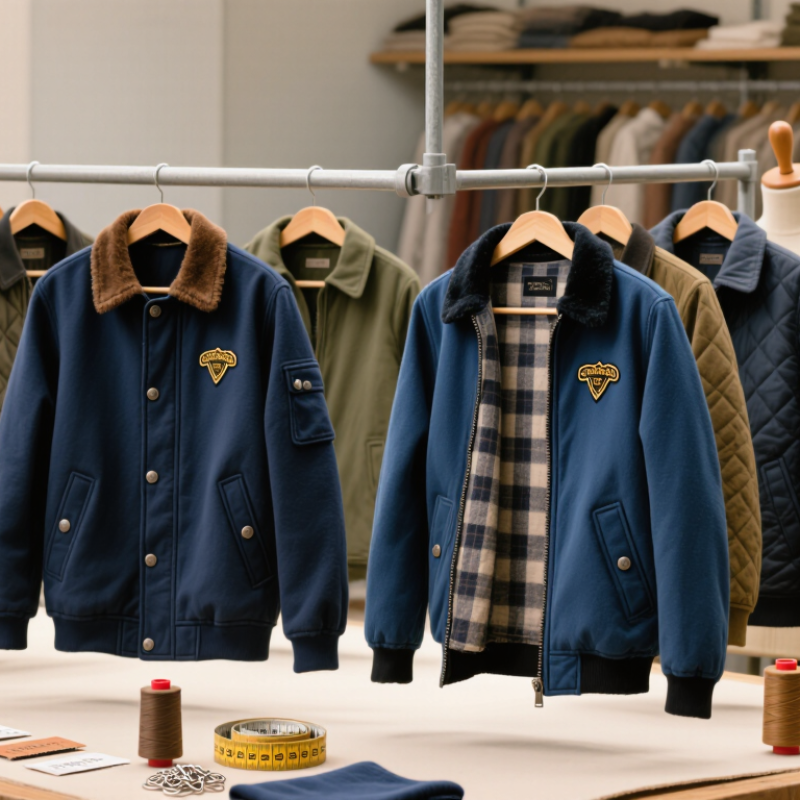
Custom Flannel Jackets combine familiar workwear structure with a buyer’s chosen fabric, fit, trim, and branding. They may feature brushed cotton, wool blends, quilted linings, metal snaps, or embroidered patches. A small café might request twelve navy jackets with chest logos. A retailer may need 2,000 seasonal pieces in graded sizes. The product changes with the order.

This market deserves careful attention. Grand View Research reports that the global custom T-shirt printing market is expanding strongly, supported by personalization, online retail, and small-batch production. Although jackets require different construction, the same demand signals matter. Buyers increasingly expect distinctive products without committing to massive inventory. The McKinsey State of Fashion reports also emphasize inventory discipline, product differentiation, and stronger supply-chain visibility. Those pressures make Custom Flannel Jackets attractive, but not automatically profitable.

Sourcing requires more than comparing a factory’s lowest quotation. A professional review should examine fabric weight, shrinkage testing, colorfastness, seam reinforcement, snap durability, and sample approval. Textile Exchange’s Materials Market Report provides useful guidance on recycled fibers and material traceability. However, certifications must be verified through current documentation, not attractive website badges. That detail is often missed.

A dependable supplier should explain minimum order quantities, prototype fees, production lead times, inspection procedures, packaging, and communication schedules. Ask for close-up photos of cuffs, collars, lining joins, and embroidery backing. Then test one sample after washing. Small mistakes become expensive at scale.

The numbers help. They do not decide everything. A factory may look perfect on paper and still miss the sleeve fit. This guide examines what Custom Flannel Jackets are, how they are made, and how buyers can source them with clearer evidence and fewer costly assumptions.

What Are Custom Flannel Jackets and How to Source Them?

What Are Custom Flannel Jackets?

Custom flannel jackets are outerwear pieces made from selected flannel fabric and adjusted to a buyer’s requirements. Flannel is usually woven cotton or wool with a brushed surface. That soft nap traps warmth and creates a familiar texture. Unlike an off-the-rack jacket, a custom version can change the fit, weight, colors, pockets, lining, and closures. Some buyers need a lightweight layer for autumn. Others prefer a dense overshirt for cold workshop mornings. The difference is practical, not merely decorative.

A reliable custom order starts with a clear specification sheet. It should state fabric composition, fabric weight, color references, measurements, stitching details, and packaging needs. Ask for a fabric swatch and a pre-production sample. Photos can misrepresent color under warm studio lights. During sampling, check sleeve movement, collar shape, seam strength, and pocket placement. A jacket may look excellent on a flat table but feel tight across the shoulders. Fit testing matters.

Customization also has limits. Flannel can shrink, pill, or lose softness when its fibers and finishing are poorly controlled. Even careful measurements cannot remove every production variation. A small mismatch may appear between the approved sample and bulk pieces. That is frustrating. It is also why written tolerances, inspection records, and correction terms deserve attention. Buyers should compare fabric tests, workmanship photos, and realistic lead times before placing a larger order.

Custom Flannel Jackets: Typical Fabric Weight by Use

Fabric weight is a key sourcing specification for custom flannel jackets. Lightweight flannel is commonly used for transitional garments, midweight fabric provides a balance of comfort and warmth, and heavyweight flannel is better suited to structured overshirts and colder conditions. When requesting samples, confirm the fabric weight in GSM, fiber composition, brushing quality, shrinkage, colorfastness, and minimum order quantity.

Which Fabrics, Fits, and Custom Features Are Available?

Custom flannel jackets combine practical warmth with a specific visual identity. The fabric choice shapes comfort, durability, and price. Midweight cotton flannel feels soft and works well for mild weather. Heavy brushed cotton offers more warmth but can feel bulky. Wool blends provide insulation and structure, although they may require gentler care. Recycled fibers can support sustainability goals, but their softness and strength should be tested before ordering.

Fit decisions should match the jacket’s intended use. A relaxed fit allows layering over sweaters. A tailored fit looks sharper but leaves less room for movement. Workwear-inspired cuts often include reinforced elbows, larger pockets, and longer back panels. Custom features may include embroidery, woven labels, contrast collars, snap buttons, lining, and adjustable cuffs. I recommend requesting a physical sample. Digital colors can appear surprisingly different under warehouse lighting. Small details matter.

Tips: Ask suppliers for fabric weight, shrinkage results, size charts, and stitching photos. Order one sample before placing a larger production run. Check pocket depth with real objects, not assumptions. Confirm care instructions and packaging requirements in writing. A low price may hide thin fabric or uneven sewing. I have seen attractive samples fail after washing, so testing remains essential. Allow time for revisions, because the first version is rarely perfect.

How Are Custom Flannel Jackets Designed and Produced?

Custom flannel jackets begin with a clear design brief, not a beautiful sketch alone. The brief should define the fit, fabric weight, color layout, pocket shape, lining, buttons, and expected order quantity. A practical starting point is brushed cotton flannel between 180 and 300 GSM. Heavier fabric feels warmer, but it may reduce movement.

Designers usually create a technical drawing and measurement chart before cutting. They then select yarn colors and test a small woven swatch. This step reveals whether the checks align after sewing. A first sample is rarely perfect. I have seen sleeves twist slightly because the fabric relaxed unevenly. Pre-shrinking and washing tests can prevent costly corrections later. Pattern makers also inspect seam allowance, collar balance, and pocket placement. Small changes matter.

Tips: Request fabric swatches, a measurement chart, and a finished sample. Ask how shrinkage, colorfastness, and stitching strength are tested. Confirm whether the supplier can maintain check alignment across the production run. Inspect several pieces, not only the first one. A sample can look excellent while bulk production varies. It happens.

During production, workers cut layered fabric with matched panels marked clearly. Sewing teams then join shoulders, sleeves, cuffs, and collars in controlled stages. Quality inspectors should check loose threads, uneven hems, skipped stitches, and button security. Reliable sourcing also requires clear records for fabric composition, production quantities, inspection results, and delivery timing. Avoid rushing approval. A small delay is usually cheaper than correcting hundreds of inconsistent jackets.

What Are Custom Flannel Jackets and How to Source Them? - How Are Custom Flannel Jackets Designed and Produced?

Data Dimension Typical Industry Range or Standard How It Affects Design and Production Sourcing Considerations
Primary Fabric Composition 100% cotton; cotton-polyester blends commonly range from 60/40 to 80/20 Cotton provides softness, breathability, and a natural hand feel. Polyester can improve dimensional stability, drying speed, and abrasion resistance. Request the exact fiber percentage and a fabric swatch before approving the production fabric.
Fabric Weight Approximately 170–280 g/m² for shirt-jacket styles; 280–400 g/m² for heavier outerwear Lighter weights suit layering and transitional weather, while heavier weights provide more warmth and structure. Match the weight to the target climate, intended season, shipping cost, and final garment silhouette.
Fabric Construction Usually plain weave or twill weave with a brushed surface Brushing raises fibers on the surface to create the soft texture associated with flannel. Twill can add drape and durability. Check both sides of the fabric for consistent brushing, shade, nap direction, and surface density.
Common Fit Options Regular, relaxed, oversized, cropped, and workwear-inspired fits Fit determines pattern measurements, sleeve shape, armhole depth, hem width, and the amount of layering room. Provide a measurement chart with tolerances, a graded size set, and a physical or digital fit sample.
Pattern and Color Placement Plaid repeats commonly use 2–6 major color groups; stripe matching is applied at key seams Matching the plaid at the center front, chest pockets, side seams, and back yoke creates a more polished appearance but increases fabric consumption. Confirm the pattern repeat, cutting direction, acceptable mismatching areas, and colorfastness requirements.
Closure and Hardware Snap buttons, shank buttons, or standard buttons; common front layouts use 5–8 closures Hardware changes the jacket’s appearance, weight, opening method, and reinforcement requirements around the front placket. Specify material, finish, diameter, pull strength, corrosion resistance, and whether spare hardware is required.
Pocket Configuration Two chest pockets, two side pockets, or a combination of chest and lower pockets Pocket size and placement affect usability, balance, garment weight, and the amount of fabric required for pattern matching. Confirm pocket dimensions, flap shape, closure type, reinforcement points, and placement from the center front and hem.
Interior Finish Unlined, partial lining, or full lining; seam binding may be used for exposed internal seams An unlined jacket is lighter and more breathable. A full lining improves layering comfort and can conceal internal construction. Ask for interior construction photos or a sample to verify seam finishing, loose threads, and lining compatibility.
Sampling Process Usually includes a design sample, fit sample, size-set sample, and pre-production sample Each approval stage reduces risks related to fit, fabric behavior, color, trims, labeling, and sewing quality. Set written approval checkpoints and record all changes in a technical specification sheet.
Typical Production Lead Time Approximately 30–60 days after final approval for standard production; longer for custom fabric development Lead time includes material booking, cutting, sewing, finishing, inspection, packing, and production scheduling. Request a timeline covering sample approval, fabric readiness, bulk cutting, final inspection, and shipment handover.
Minimum Order Quantity Often 100–500 pieces per style and color; smaller quantities may be possible with higher unit costs Minimums are influenced by fabric orders, dye lots, trim purchasing, cutting efficiency, and production line setup. Ask whether the minimum applies per style, color, fabric, or total order and confirm overage policies.
Quality Inspection Points Fabric defects, shade consistency, measurements, seam strength, button or snap attachment, and finishing Inspection should verify construction against the approved sample and measurement chart rather than appearance alone. Use an agreed inspection standard, measurement tolerances, defect classification, and an acceptable quality limit before production.
Care and Performance Testing Colorfastness, dimensional stability, pilling resistance, seam performance, and laundering behavior Testing helps determine whether the flannel will shrink, fade, pill, or lose shape during normal care. Define the test method, wash temperature, drying method, performance threshold, and labeling instructions in advance.
Packaging Requirements Folded individual packing with size identification; carton packing commonly uses moisture protection Proper folding and protection help minimize wrinkles, contamination, moisture exposure, and damage to brushed surfaces. Confirm carton dimensions, pack ratio, barcode or size labels, polybag requirements, and carton weight limits.

Where Can Buyers Source Reliable Custom Flannel Jackets?

Reliable custom flannel jackets usually come from direct factory sourcing, verified apparel suppliers, and established textile trade events. Buyers should request factory addresses, production photos, sample records, and recent quality reports. A supplier should explain fabric weight, yarn composition, brushing method, and shrinkage control clearly. Vague answers deserve caution.

The Textile Exchange 2024 Materials Market Report recorded 124 million tonnes of global fiber production in 2023. It also projects production may reach 160 million tonnes by 2030. This scale makes traceability increasingly important.

Ask whether the flannel uses recycled fibers, certified cotton, or conventional materials. Request supporting documents, not marketing claims. A practical sample should show even checks, secure buttons, neat seam finishing, and consistent sleeve measurements.

Test before ordering heavily. Send samples to an independent laboratory for colorfastness, dimensional stability, fabric strength, and restricted-substance screening. The International Trade Centre also identifies technical requirements and quality consistency as recurring challenges in apparel sourcing. A supplier offering only attractive photos is not enough.

I have seen buyers overlook shrinkage after washing. That mistake can damage an otherwise excellent jacket. Confirm the minimum order quantity, sample charges, lead time, packaging, and inspection process in writing.

Small pilot orders are safer, although they may cost more per piece. Reliability is rarely proven by one certificate. It is built through repeatable samples, transparent records, and honest responses when something goes wrong.

How Should Suppliers, Samples, Quality, and Costs Be Evaluated?

Custom flannel jackets are built around selected fabrics, measurements, trims, and production details. Sourcing begins with a capable supplier, not a low quotation. Ask for factory experience, monthly capacity, fabric origin, and recent inspection records. A supplier should explain shrinkage, pilling, colorfastness, and seam-strength controls clearly. Vague answers deserve caution.

Request a development sample, pre-production sample, and size-set sample. Check the brushed surface under daylight. Measure sleeve length, chest width, pocket placement, and post-wash shrinkage. I have found that a perfect first sample can still hide uneven nap or weak buttons. That needs reflection. The Textile Exchange Materials Market Report 2024 states that global fiber production reached 124 million tonnes in 2023, while polyester represented 57% of output. Therefore, buyers should verify whether “flannel” means cotton, recycled polyester, or a blend. Fiber content changes comfort, durability, care instructions, and cost. It also affects sourcing credibility.

Evaluate costs through a complete cost sheet. Include fabric, cutting, sewing, trims, sampling, packaging, freight, and inspection. Compare quotations using identical specifications. A cheaper fabric may increase returns after washing. Ask for test reports from competent laboratories, but do not treat paperwork as proof of every production batch. Inspect random finished jackets before shipment. My practical benchmark is simple: the collar should sit flat, the plaid should align at major seams, and bartacks should resist firm pulling. Costs matter, but repeatable quality protects the order better.

FAQS

What are custom flannel jackets?

They are jackets adjusted to specific fabric, fit, color, pockets, lining, and closure requirements. The brushed surface feels soft. They can suit autumn walks or cold workshop mornings.

Which fabrics work well for custom flannel jackets?

Midweight cotton flannel suits mild weather and feels comfortable. Heavy brushed cotton offers more warmth but may restrict movement. Wool blends add structure but need gentler care. Recycled fibers require careful testing for softness and strength.

How should the jacket fit?

A relaxed fit leaves room for sweaters and active movement. A tailored fit looks cleaner but may feel tight across the shoulders. Workwear-inspired cuts often add reinforced elbows and deeper pockets. The intended use matters more than appearance alone.

Which custom features can buyers request?

Options may include embroidery, woven labels, contrast collars, snap buttons, lining, and adjustable cuffs. Longer back panels can improve coverage. Check pocket depth with real objects. Small details matter.

What information should a specification sheet include?

Include fabric composition, weight, color references, measurements, stitching details, quantity, and packaging needs. Add care instructions and acceptable measurement tolerances. Clear records reduce confusion later. Vague instructions create avoidable problems.

Why is a physical sample important?

A physical sample reveals sleeve movement, collar balance, seam strength, and pocket placement. Digital colors may change under warehouse lighting. A jacket can look excellent on a table but feel restrictive when worn. Photos are not enough.

How can buyers reduce shrinkage and quality problems?

Request shrinkage, colorfastness, and stitching-strength test results. Ask whether the fabric was pre-shrunk. Check several production pieces, not only one sample. The first version is rarely perfect.

What problems may appear during bulk production?

Bulk jackets may show uneven checks, loose threads, skipped stitches, or mismatched measurements. Flannel can also pill, shrink, or lose softness. A small sample variation may become obvious across many pieces. It is frustrating. Written correction terms and inspection records help manage the risk.

Conclusion

Custom Flannel Jackets are versatile outerwear pieces made from soft, textured flannel and adapted to a buyer’s preferred style, fit, and purpose. They can be developed for casual collections, workwear, uniforms, promotional programs, or seasonal fashion lines. Buyers may choose from cotton, blended, brushed, heavyweight, or lightweight fabrics, along with relaxed, regular, or oversized fits. Custom details can include colors, plaids, lining, buttons, pockets, collars, labels, embroidery, and printed artwork.

The design and production process usually begins with a concept, technical specifications, fabric selection, and a prototype sample. Reliable sourcing requires comparing qualified suppliers, reviewing their production capabilities, requesting samples, and confirming customization options. Buyers should evaluate stitching, fabric consistency, color accuracy, sizing, shrinkage, packaging, lead times, minimum order quantities, and communication quality. A clear cost review should include materials, sampling, customization, manufacturing, shipping, and potential revisions. Careful evaluation helps ensure the finished jackets meet both quality expectations and budget requirements.

Ethan Carter

Ethan Carter

Ethan Carter is a highly experienced marketing professional dedicated to helping businesses make informed decisions through clear, practical, and industry-focused content. With a strong understanding of the company’s products, services, and customer needs, Ethan regularly contributes expert......