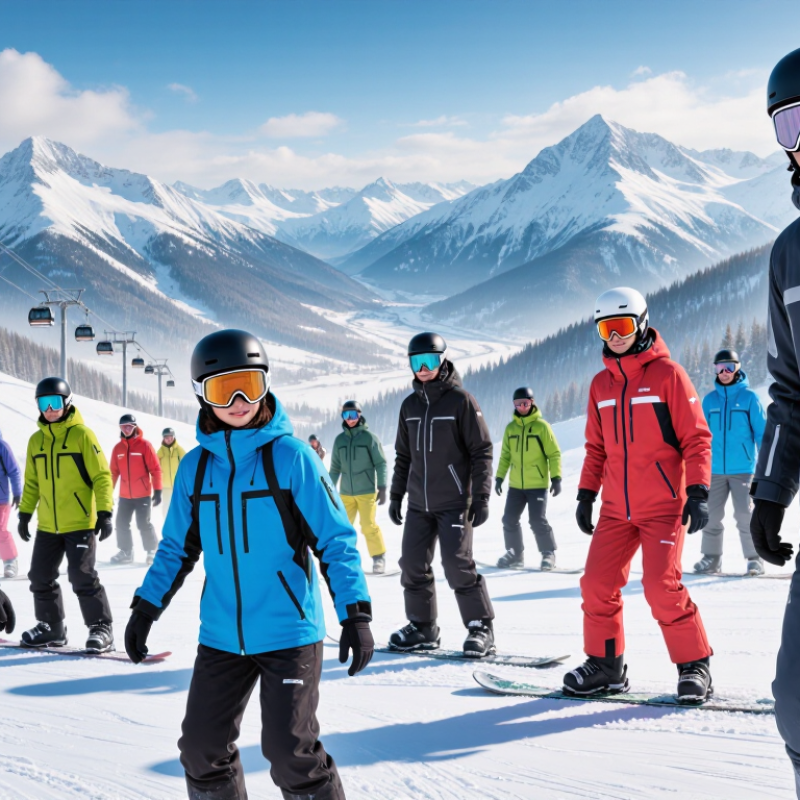
Choosing the right jacket can shape an entire day on the mountain. Cold wind, wet snow, sudden sunshine, and chairlift rides all test outerwear differently. Skiing Snowboarding Jackets are not interchangeable in every situation, even when they look similar on a store rack.
This guide explores ten practical jacket types, from insulated resort coats to lightweight shell designs. Each option serves a different purpose. A beginner may value warmth and simple pockets, while an experienced rider may prefer ventilation, stretch, and lower weight. Backcountry users also need dependable weather protection and careful layering. Small details matter: waterproof zippers, adjustable cuffs, helmet-compatible hoods, and powder skirts can prevent discomfort during a storm.
Fit matters most.
Real mountain experience often exposes weaknesses that product labels hide. A jacket can claim strong waterproofing yet feel clammy during a long uphill climb. Another may breathe well but leave cold gaps around the wrists. These trade-offs deserve honest attention. No single design suits every skier or snowboarder, and personal comfort remains difficult to measure from specifications alone.
The following overview compares warmth, waterproofing, breathability, mobility, durability, and everyday practicality. It also considers changing conditions, from groomed runs at midday to freezing wind near the summit. The recommendations reflect common technical standards and realistic use, but they are not absolute rules. Weather changes. Bodies differ. Even experienced riders sometimes choose poorly. That is part of learning what reliable mountain clothing really means.
On a windy ski day, an insulated jacket can protect warmth better than a thin shell alone. I have noticed the difference while waiting on exposed chairlifts. Cold air quickly reaches the shoulders, sleeves, and lower back. A jacket with synthetic or down insulation traps warm air around the torso. Synthetic fill usually performs better when snow becomes wet. Down can feel lighter and warmer in dry conditions. Weather changes everything.
Look for insulation suited to your activity level. Thick insulation feels comfortable on slow resort runs, but may become too hot during uphill travel. Moderate insulation works well with a moisture-wicking base layer and a light midlayer. Check the hood, cuffs, and hem carefully. Adjustable cuffs should cover gloves without blocking movement. A high collar helps shield the face from sharp wind. Small details matter.
Fit should allow a full arm swing without leaving gaps near the waist. Test it with a sweater before buying. I once selected a jacket that felt wonderfully warm, but its tight shoulders made pole movements awkward. That choice looked sensible in the store and failed on the slope. Breathable fabric can reduce clammy moisture, although no jacket stays perfectly dry during hard exertion. Vent zippers still help. Keep them accessible.
Shell jackets are built for changing mountain weather. They block wind and shed rain or wet snow, but usually provide little insulation. That light construction makes them useful for layering: wear a moisture-wicking base layer, then add fleece or a warm midlayer as conditions demand. Keep it simple.
Look for a hood that fits over a helmet, cuffs that close around gloves, and a hem that stays put when you bend. Vent zippers can release heat during a steep climb or a crowded lift line. Sealed seams and a reliable front closure help keep moisture out, though no shell stays comfortable if sweat builds up inside. I’ve found that opening vents early often works better than waiting until the inside feels damp.
Fit matters, too. A shell should leave room for layers without pulling across your shoulders or flapping heavily in wind. Check the pockets with gloves on, and make sure they remain reachable beneath a pack’s waist belt. Small details count. A shell can feel stiff at first, and its care instructions are easy to overlook; washing it as directed helps preserve water-repellent performance.
| Jacket Type | Construction | Weather Protection | Layering and Warmth | Best Suited For | Key Consideration |
|---|---|---|---|---|---|
| Three-Layer Hardshell | Face fabric, waterproof-breathable membrane, and protective inner backing are bonded together. | Typically offers strong wind and rain or snow protection; seam sealing varies by model. | Uninsulated, leaving room to add a base layer and midlayer. | Frequent use in exposed or changeable mountain weather. | Often durable, but can feel less soft and may cost more than simpler shell constructions. |
| Two-Layer Shell | Face fabric is bonded to a membrane or coating; a separate lining hangs inside. | Can provide reliable weather protection when seams and closures are appropriately designed. | The lining adds comfort, while insulation is usually supplied by separate layers or a removable liner. | Resort skiing and snowboarding, especially for riders who value a comfortable interior. | Check whether the jacket includes insulation; a lining alone does not necessarily make it warm. |
| Two-and-a-Half-Layer Shell | Face fabric and membrane or coating are paired with a thin protective print or layer rather than a full lining. | Protection depends on the fabric, seams, and garment design; many models are intended for wet-weather use. | Usually uninsulated and easy to layer over, but may feel less comfortable directly over light clothing. | Packable use and activities where low weight matters. | Avoid assuming all lightweight designs are equally durable or suitable for prolonged rough use. |
| Stretch-Woven Softshell | Uses a flexible woven fabric, sometimes with a membrane or durable water-repellent finish. | Often sheds light precipitation and blocks some wind, but protection varies and may be below that of a waterproof hardshell. | Usually uninsulated; its flexibility makes it comfortable over a base or light midlayer. | Dry, cold days and high-output activities where freedom of movement is important. | Not every softshell is waterproof; check the product’s stated weather protection. |
| Waterproof-Breathable Membrane Shell | Uses a membrane or coated fabric designed to resist water while allowing some water vapor to escape. | Can offer protection from wet snow and wind; performance depends on fabric ratings, seams, and construction. | Usually uninsulated, so warmth comes from adjustable layers worn underneath. | Variable conditions where a balance of weather protection and moisture management is desired. | Breathability does not eliminate the need for ventilation during strenuous activity. |
| Fully Seam-Sealed Shell | Seams are taped or otherwise sealed to reduce water entry through needle holes. | Designed to improve resistance to rain and wet snow at garment seams. | May be insulated or uninsulated; seam sealing describes construction, not warmth. | Wet conditions and days when precipitation protection is a priority. | Some garments seal only critical seams, so check whether seams are fully or partially sealed. |
| Uninsulated Layering Shell | Outer shell fabric without built-in thermal insulation. | Protection ranges from wind resistance to waterproof coverage, depending on the shell fabric and construction. | Warmth is adjusted with base layers and midlayers, making the system adaptable. | Changing temperatures, active skiing, and people who prefer to customize layers. | Layer choice matters: a shell alone may provide little warmth in cold weather. |
| Hybrid Shell | Combines different fabrics or constructions, such as more protective panels with stretchier or more breathable areas. | Protection can differ across the jacket depending on panel placement and materials. | Often designed for mobility and layering; insulation varies by model. | Active use where movement and targeted ventilation are valued. | Inspect the fabric layout to understand which areas have the strongest weather protection. |
| Resort-Focused Shell | Designed for lift-accessed skiing or snowboarding; may include a lining, powder skirt, pockets, or a helmet-compatible hood. | Protection varies by model, from water-resistant fabrics to waterproof, seam-sealed construction. | Can be insulated or shell-only; both styles are available for resort use. | Prepared runs, lift rides, and everyday resort wear. | Choose insulation and ventilation features to match activity level and local conditions. |
| Backcountry-Oriented Shell | Often uses a lighter shell with features such as a helmet-compatible hood, adjustable cuffs, and ventilation zips. | Weather protection depends on the fabric and seam construction; designs may prioritize breathability and mobility. | Typically intended for layering during uphill travel and changing exertion levels. | Touring and other human-powered winter travel. | Fit, ventilation, and compatibility with a pack and safety equipment are important considerations. |

Softshell and hybrid jackets suit skiers and snowboarders who value flexible mountain movement. They stretch easily during turns, climbs, and quick lift exits. A softshell usually blocks light wind while releasing heat during active riding. It feels less restrictive than a heavily insulated jacket.
Hybrid designs place insulation across the chest and upper back. Stretch panels often cover the arms and sides. This layout protects your core without making pole plants feel stiff. Look for a helmet-compatible hood, adjustable cuffs, secure pockets, and a reliable water-resistant finish. These details matter when snow lands on your shoulders or wet gloves fill your pockets.
I once chose a very breathable jacket for a cold, windy ridge. My movement felt excellent, but my torso cooled quickly. That mistake changed how I layer. A thin base layer and compact mid-layer can make a softshell more adaptable. Still, no jacket handles every storm perfectly. Check seam construction and weather ratings before trusting it in heavy snowfall.
Tips: Move your arms before buying. Test the hood with your helmet. Check pocket access while wearing gloves. Pack a shell layer for changing weather. Slightly loose fits work better over insulation.
Backcountry skiing demands a jacket that works during steady movement and sudden exposure. A touring shell should release heat during uphill travel, then block wind on open ridges. I look for breathable fabric, full-length ventilation zips, and a hood that fits over a helmet. During a dawn ascent, these details prevent sweat from soaking the insulation in my pack.
Climbing sections require freedom of movement. Articulated sleeves, low-profile cuffs, and a secure powder skirt help when stepping over rocks or pulling onto a narrow ledge. A durable outer fabric also matters because shoulder straps and rough surfaces create repeated abrasion. Small details matter. Easy-to-use pocket zippers are valuable when wearing thick gloves. I prefer chest pockets that remain accessible beneath a harness or pack belt.
Changing conditions can expose weak design quickly. A calm forecast may become wet snow and sharp wind within an hour. I carry a lightweight shell over a breathable midlayer, rather than relying on one thick jacket. No system works perfectly. I still sometimes dress too warmly at the trailhead and regret it higher up. On longer routes, I check the forecast, local avalanche bulletin, and escape options before leaving. A dependable jacket should support those decisions, not replace them. I test every adjustment at home, including the hood, cuffs, and vents, because frozen fingers make simple changes surprisingly difficult.
Top 10 Types of Skiing and Snowboarding Jackets
Snowboarding jackets usually provide a roomier cut for crouched landings and layered protection. A longer back panel helps keep snow away during falls. Underarm vents release heat after repeated runs. Powder jackets often use high collars, adjustable hoods, and snow skirts. Their waterproof fabric matters when you spend hours in deep, wet powder.
Racing jackets prioritize speed and controlled movement over bulky insulation. A close fit reduces fabric drag, while flexible panels support aggressive turns. Many racers choose a lightweight shell and add a thin thermal layer underneath. On icy mornings, a smooth outer surface also sheds wind quickly. I once selected a jacket that fit perfectly but restricted my shoulders. That mistake became obvious halfway through a training run.
Insulated jackets suit cold lift rides and casual resort skiing. Shell jackets offer greater versatility when temperatures change quickly. Hybrid designs combine insulation around the chest with breathable fabric near the arms. Check seam sealing, cuff adjustment, pocket placement, and zipper function before buying. Your gloves should fit inside or over the cuffs without pressure. Try the jacket while wearing your real mid-layer. Small details matter. A hood that turns with your helmet improves visibility, but excessive padding can create blind spots. Waterproof ratings help, yet maintenance, fit, and ventilation often decide comfort during long days.
It stretches during turns, climbs, and quick lift exits. It blocks light wind while releasing heat during active riding. Less restriction.
A hybrid jacket insulates the chest and upper back. Stretch panels around the arms improve movement. It suits changing activity levels.
Check helmet compatibility, adjustable cuffs, secure pockets, seam construction, and water resistance. Test every zipper with gloves on.
Wear a thin base layer and a compact mid-layer. A shell layer can help when wind or wet snow arrives. One jacket rarely handles everything.
It should release heat while climbing and block wind on exposed ridges. Full-length vents and breathable fabric help manage sweat.
Articulated sleeves support reaching and stepping. Low-profile cuffs reduce interference. Durable fabric handles pack straps and rough surfaces.
Snowboarding jackets usually have a roomier fit and longer back panel. Racing jackets favor close fits and controlled movement. Both need flexible shoulders.
Look for a high collar, adjustable hood, snow skirt, and waterproof fabric. A longer back also keeps snow away during falls.
Insulated jackets feel warmer during cold lift rides. Shells offer more layering flexibility. I still sometimes dress too warmly at the trailhead.
Wear your actual mid-layer and gloves. Move your arms, turn your helmet, and reach toward a pocket. Perfect on the hanger can fail on snow.
Choosing the right Skiing Snowboarding Jackets starts with understanding the conditions and activities you expect to encounter. Insulated jackets provide dependable warmth on cold slopes, while shell jackets focus on blocking wind and moisture and leave room for adjustable layers underneath. Softshell and hybrid designs balance weather protection with flexibility, making them suitable for active movement across varied terrain.
For touring and backcountry travel, jackets need to adapt to changing temperatures, steep climbs, and shifting weather. Specialized options also serve distinct needs: snowboarding jackets may emphasize freedom of movement, racing styles can favor a streamlined fit, and deep-powder designs may offer extra coverage. Considering warmth, breathability, protection, and mobility helps you choose a jacket that matches your plans and keeps you comfortable throughout the day.