

The Physics of Windproofness: Engineering Outerwear for Chicago's Micro-Climates
Chicago, globally recognized as the Windy City, poses a unique set of meteorological challenges for apparel brands, corporate gear procurement managers, and outerwear distributors. The urban canopy effect created by Michigan Avenue's high-rise corridors, combined with severe micro-climates generated by Lake Michigan's Lake-Effect wind chill factors, creates sub-zero ambient temperatures and sustained wind velocities exceeding 35 to 45 mph during peak winter months.
Standard commercial jacket manufacturing processes frequently fail in the Chicago regional market. Conventional polyurethane coatings crack under rapid freeze-thaw cycles, unsealed needle punctures allow forced wind convection through stitch lines, and inferior shell weaves permit air penetration, instantly stripping warm air trapped in insulation layers. As an established global outerwear manufacturer and exporter operating under Oasis Jackets (a Dioz Group Unit), our technical team engineers apparel engineered specifically to withstand these environmental pressures.
Technical Benchmark: Air Permeability (ASTM D737)
True windproof performance requires an air permeability rating of less than 1.0 CFM (cubic feet per minute per square foot of fabric). Oasis Jackets' specialized Chicago-grade storm shells achieve air permeability ratings between 0.2 and 0.5 CFM, tested under strict ASTM D737 lab conditions.
1. Textile Engineering: Lamination, Membranes, and CFM Ratings
Achieving true windproof protection without creating a non-breathable "plastic bag" effect requires advanced textile physics. Our R&D facilities utilize multi-layer composite structures engineered for high-durability performance:
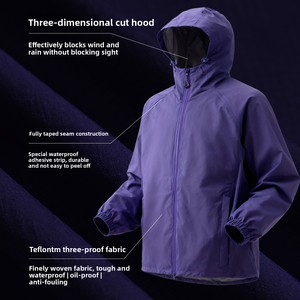
- 3-Layer (3L) Laminated Technical Shells: Composed of a high-tenacity outer face (such as 40D to 300D Ripstop Polyester or Cordura® Nylon), a hydrophobic TPU/ePTFE microporous membrane, and a lightweight tricot backing. This bond acts as an absolute wind barrier while allowing moisture vapor to escape at rates exceeding 15,000 g/m²/24hr.
- DWR (Durable Water Repellent) C0 Fluorocarbon-Free Finishes: Eco-friendly hydrophobic surface coatings that force lake-effect moisture, sleet, and freezing rain to bead up and roll off, preventing fabric "wet-out" which severely degrades thermal resistance.
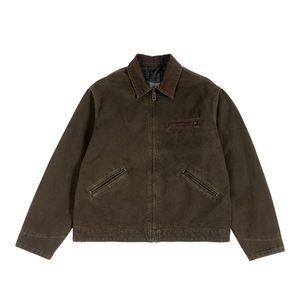
- High-Density Weave Canvas & Heavy Workwear Formulations: For industrial workwear, corporate uniforms, and urban techwear lines, we deploy ultra-dense 100% cotton canvas and recycled poly-blend weaves treated with microscopic calendering to block wind passage naturally while maintaining rugged abrasion resistance.
| Fabric Construction Type | Wind Permeability (CFM) | Hydrostatic Head (Waterproofness) | Target Chicago Application |
|---|---|---|---|
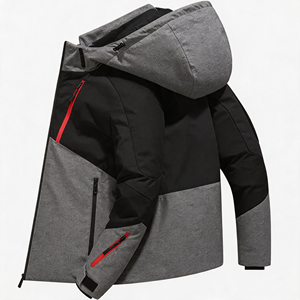
| 3L Laminated Ripstop Shell | < 0.3 CFM (Absolute Lock) | 20,000 mm H2O | Outdoor Ski, Snow & Mountain Techwear |
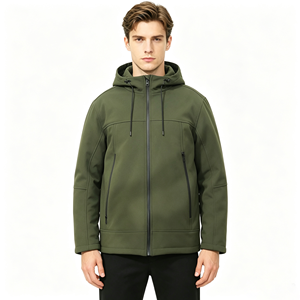
| 2.5L Softshell with TPU Film | 0.5 CFM (High Protection) | 10,000 mm H2O | Executive Commuter & Urban Streetwear |
| Heavy Canvas (Rec Eco-Friendly) | 0.8 CFM (Wind Resistant) | 5,000 mm H2O (DWR Finish) | Industrial Workwear & Heritage Jackets |
| Anti-Pill Bonded Polar Fleece | 1.2 CFM (Mid-Layer Shield) | Breathable Barrier | Logistics Hubs & Fleet Uniforming |
2. Chicago Apparel Retail & Procurement Trends (2025–2030)
The Midwest apparel landscape is experiencing a structural pivot. Wholesale buyers and private-label brands targeting Chicago retail markets must adjust their inventory strategies to align with modern user search intent and purchasing behaviors:
A. The Fusion of Heavy-Duty Utility and Urban Techwear
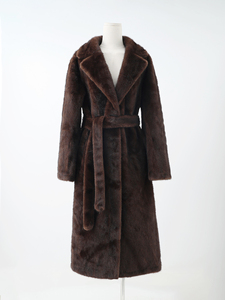
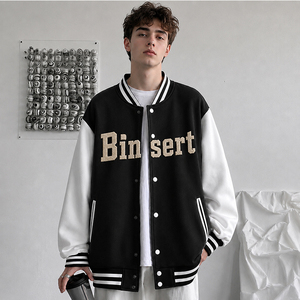
Driven by neighborhood trends from Fulton Market tech workers to Wicker Park streetwear boutiques, retail consumers are demanding garments that merge industrial resilience with sleek aesthetic lines. Oversized bomber coats, canvas work jackets with reinforced rivets, and understated "Quiet Luxury" storm coats featuring hidden magnetic closures are rapidly displacing basic nylon raincoats.
B. Corporate Uniforming and Cold-Chain Logistics Demands
Chicago serves as the primary transportation and warehousing hub of the American Midwest. Logistics operators, airport ground teams at O'Hare and Midway, and cold-chain warehouse crews require heavy-duty thermal workwear. B2B buyers are prioritizing high-visibility trims, multi-pocket tool utility layout, and zero-airflow zipper baffles to meet OSHA safety standards while keeping workers warm.
C. Sustainable Recycled PET (rPET) & GRS Compliance
Midwest enterprise clients and municipal buyers now mandate sustainability documentation. Private-label buyers can no longer rely on unverified green marketing claims. Our production lines supply certified post-consumer recycled fabrics with Global Recycled Standard (GRS) and OEKO-TEX Standard 100 transaction certificates per shipment.
3. OEM/ODM Technical Manufacturing Protocols
As a vertically integrated manufacturer, Oasis Jackets removes procurement risk through standardized manufacturing and quality control protocols:
- Ultrasonic Seam Taping: Needles create thousands of micro-perforations during sewing. We apply hot-melt waterproof tape under high pressure across all critical armhole, neck, and shoulder seams to eliminate wind and water leaks.
- Thermal-Mapped Insulation & Baffle Design: Utilizing 300–700 fill-power responsibly sourced down (IDFL certified) or thermal-mapped recycled polyfill, our designs isolate chest and kidney zones for optimal warmth without bulk.
- Bespoke Branding & Private Label Integration: From custom engraved metal zipper sliders and rubberized sleeve patches to woven neck labels fully compliant with US FTC textile origin and content regulations, your product remains 100% private-label.