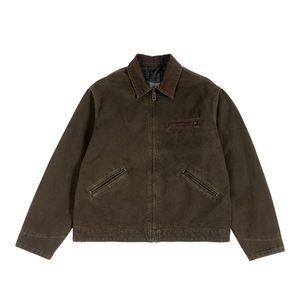
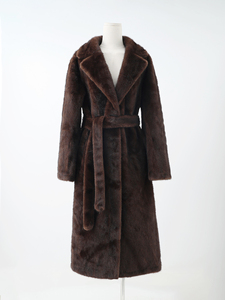
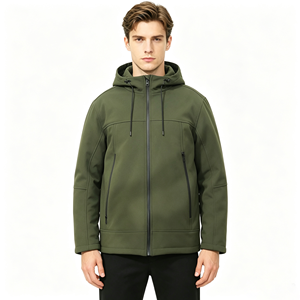
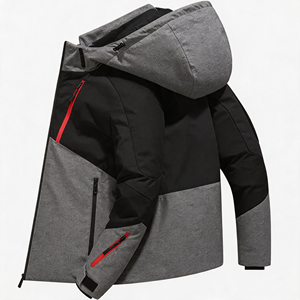
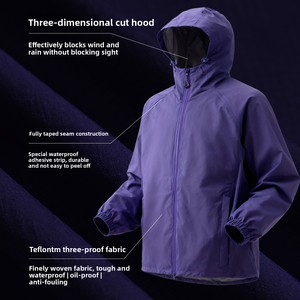
Engineered for global brand distribution, corporate apparel, and specialized high-altitude microclimates. Low MOQ private label manufacturing available with certified fabric standards.
Verified manufacturing data supporting corporate buyers, regional distributors, and international outerwear brands scaling their garment supply chains.
16+ Years
Outerwear OEM Leadership
55+ Countries
Global Export Reach
10,000+
Developed Tech Packs
AQL 2.5
Certified Quality Audit
Industrial Market Whitepaper
Fleece Jackets Factories & Factory Landscape in the Sri Lanka Market
The global fleece apparel sector has undergone a profound shift toward high-performance synthetic mid-layers, hybrid thermal shells, and sustainable recycled polyester (rPET) formulations. In the South Asian garment ecosystem, Sri Lanka stands out as an elite apparel manufacturing hub renowned for ethical production standards, highly skilled textile labor, and sophisticated compliance frameworks. When global procurement officers and private-label apparel brands explore Fleece Jackets Factories & Factory in the Sri Lanka market, they navigate a unique intersection of tropical logistics, export processing zones (EPZs), and specialized thermal engineering designed for international export markets.
Although Sri Lanka itself is situated in a tropical climate zone, its domestic market demands specific polar fleece applications tailored for high-altitude microclimates such as Nuwara Eliya and the Central Highlands. More importantly, Sri Lankan apparel facilities act as a primary export gateway supplying winter and autumn outerwear to Europe, North America, East Asia, and the Middle East. Understanding the manufacturing capabilities, fabric weight grading (GSM), anti-pilling treatments, and duty-free tariff mechanisms (such as EU GSP+) is essential for B2B apparel buyers seeking maximum gross margins and zero-defect compliance.
Microclimate Customization
Engineering multi-weight fleece constructions—from ultra-lightweight 150 GSM microfleece for humid transitional zones to heavy 350 GSM sherpa and bonded TPU fleece for highland cold climates.
EU GSP+ & Tariff Advantage
Leveraging Sri Lanka’s preferential trade access to European markets, providing duty-free or reduced import tariffs for certified sustainable fleece garments under strict rules of origin.
rPET Circular Sustainability
Full integration of GRS-certified (Global Recycled Standard) post-consumer polyester yarn, zero-water dyeing processes, and fluorocarbon-free (PFC-free) DWR water-repellent coatings.
Localized Application Scenarios in Sri Lanka
To successfully distribute or manufacture fleece outerwear within and through Sri Lanka, apparel brands must align product specifications with localized end-use scenarios. The country's unique geographical and economic landscape creates four distinct operational use-cases for fleece garments:
Known locally as "Little England," the Nuwara Eliya region sits at an elevation of 1,868 meters (6,128 feet) above sea level, experiencing ambient temperatures that plunge below 10°C (50°F). Local tea estate supervisors, highland agricultural workers, and eco-tourists require durable 280–320 GSM double-brushed polar fleece jackets. These garments must feature high moisture-wicking capabilities to handle morning dew, windproof chest overlays, and anti-pilling finishes to resist physical friction during daily outdoor fieldwork.
The commercial metropolis of Colombo, alongside industrial hubs like the Katunayake Free Trade Zone, drives massive corporate demand for lightweight 180–220 GSM microfleece vests and full-zip jackets. Operating in heavily air-conditioned office towers, cold-storage pharmaceutical warehouses, and airport cargo terminals, local employees require breathable fleece mid-layers that maintain a sleek corporate aesthetic while offering consistent thermal regulation.
Sri Lanka’s rapidly expanding adventure travel industry demands high-performance technical fleece. Hikers ascending Adam's Peak or traversing the Knuckles Mountain Range face unpredictable rain squalls and rapid temperature drops. Sourcing requirements emphasize hybrid softshell fleece jackets with bonded TPU waterproof membranes (8,000mm hydrostatic head), dynamic 4-way stretch panels, and packable lightweight construction.
4. Maritime, Port & Cold-Chain Logistics Workwear
As one of South Asia’s busiest transshipment hubs, the Port of Colombo operates round-the-clock container terminals and refrigerated cold-storage facilities. Industrial operators require heavy-duty bonded polar fleece workwear coats equipped with high-visibility EN ISO 20471 reflective striping, reinforced canvas elbow patches, and heavy-duty YKK zips engineered to withstand marine salt-spray corrosion.
Fleece Technical Specification Sourcing Matrix
Compare fabric construction parameters, thermal metrics, and performance finishes available across our export production lines.
Stormproof Ski Coats, Heavy Outdoor Trekking, Skiing
Sherpa High-Pile Fleece
320 – 400 GSM
100% Acrylic / Polyester Faux Fur
1.60 – 2.10 CLO
Grade 3.5 – 4.0 (ISO 12945-2)
Luxury Winter Fashion, Extreme Thermal Outerwear
Grid Technical Fleece
180 – 240 GSM
92% Poly / 8% Elastane Grid Backing
0.80 – 1.10 CLO
Grade 4.5 (ISO 12945-2)
Active Sports, Trail Running, Mountaineering Base-Layer
Macro Development Trends in Sri Lankan Fleece Sourcing
The apparel manufacturing sector in Sri Lanka is undergoing a strategic evolution toward sustainable high-value technical textiles. International buyers sourcing fleece garments from local factories benefit from four overarching industry trends:
Transition to Circular rPET & Sustainable Yarns
With global retail mandates demanding eco-certified supply chains by 2030, Sri Lankan apparel facilities lead South Asia in adopting GRS-certified recycled polyester derived from ocean-bound plastic bottles. Advanced mills in the region now produce spun recycled fleece that matches virgin polyester in tensile strength, colorfastness, and hand-feel while reducing carbon footprint by up to 45%.
BOI Incentives & Fast-Track Customs Clearance
Factories operating under the Board of Investment (BOI) Sri Lanka enjoy duty-free import privileges for raw materials, including specialized technical fleece fabrics, TPU membranes, and premium zipper trims. This allows export garment manufacturers to rapidly import specialized European or East Asian raw inputs, assemble high-grade jackets in local EPZs, and re-export finished garments with streamlined customs processing.
Advanced Hydrophobic & Anti-Mold Finishes
Operating in a tropical maritime environment requires stringent quality controls to prevent mold accumulation during oceanic transport. Leading factories implement specialized anti-microbial treatments, low-humidity vacuum packaging, and PFC-free DWR (Durable Water Repellent) coatings that meet stringent EU REACH and US EPA environmental guidelines.
Digital Tech-Pack Prototyping & 3D Sampling
To eliminate international shipping friction during product design, top Sri Lanka jacket suppliers now utilize 3D digital apparel simulation software (Clo3D/Optitex). Brands can review fabric drape, stress heatmaps, logo embroidery placements, and fit gradings digitally—cutting sample approval lead times from 3 weeks down to 48 hours.
Why Partner With Our Global Manufacturing Network?
We bridge the gap between world-class apparel engineering and localized market requirements, offering end-to-end private label solutions for brands, corporate procurement teams, and distributors.
Low MOQ & Agile Production
Flexible minimum order commitments per style and colorway. Prototype and scale new fleece collections without tying up critical working capital in excess warehouse stock.
Full Private-Label Customization
From custom woven neck labels and heat-transfer care tags compliant with US FTC & EU regulations to custom pullers, silicone badges, and branded polybags.
Multi-Cert Factory Audits
Production units audited for ISO 9001, GRS, OEKO-TEX Standard 100, GOTS organic compliance, and amfori BSCI social compliance standards.
Frequently Asked Questions for Sourcing Fleece Jackets
Technical advice for buyers importing fleece outerwear into or from the Sri Lanka apparel market.
What is the standard Minimum Order Quantity (MOQ) for custom fleece jacket manufacturing?
Our minimum order quantity is flexible based on the program parameters. For styles utilizing in-stock fleece fabrics with custom logo application (embroidery, silicone patch, screen printing), MOQs start as low as 100–300 pieces per style. For fully custom mill-dyed PMS colors, specialized bonded fabrics, or custom jacquard fleece patterns, MOQs generally range from 500 to 1,000 pieces per colorway due to mill dyeing minimums.
How do fleece jacket factories in Sri Lanka ensure garments remain mold-free during tropical sea transit?
Tropical shipping routes involve high ambient humidity. Export-grade factories mitigate mold risk by conditioning fleece fabric to below 8% moisture content prior to cutting. Sealed garments include food-grade anti-mold desiccant stickers (such as Micro-Pak), and cartons undergo vacuum-polybag sealing with reinforced corrugated outer walls to withstand marine transit to Europe or North America.
Which fabric weight (GSM) is recommended for Sri Lanka’s Nuwara Eliya region versus export winter markets?
For Sri Lanka’s domestic highland market (Nuwara Eliya, Ella), 220–280 GSM anti-pill polar fleece offers ideal thermal balance for temperatures between 10°C and 18°C. For heavy winter export markets (Europe, North America, Japan), we recommend 300–350 GSM bonded softshell fleece featuring an interior grid fleece lining combined with a windproof TPU middle layer.
Can we request GRS (Global Recycled Standard) transaction certificates for eco-fleece orders?
Yes. When specifying recycled polyester (rPET) fleece, we issue official GRS Scope & Transaction Certificates per shipping bill. This provides 100% verifiable chain-of-custody documentation tracing the recycled polymer chips back to post-consumer collection sources, defending your brand against greenwashing claims.
What is the typical lead time from prototype tech-pack to bulk shipment?
Digital pattern drafting and physical proto samples take approximately 7–10 working days. Once the sealed pre-production (PP) sample is approved, bulk manufacturing requires 30–45 days depending on trim complexity and volume. Express air freight takes 5–8 days, while sea freight from Colombo Port to European or US west coast ports requires 20–35 days.
Launch Your Private Label Fleece Program Today
Consult with our senior outerwear merchandisers to review fabric swatches, request factory direct costing, and build tech-packs tailored for the Sri Lanka market or global distribution.