Market Localization
Targeted Application Scenarios Across Japan
From Tokyo's dense commuter networks to Hokkaido's extreme sub-zero alpine conditions, we customize fabric weight, membrane breathability, and silhouette block patterns for specific Japanese micro-climates and subcultures.
Tokyo & Yokohama Urban Commuters
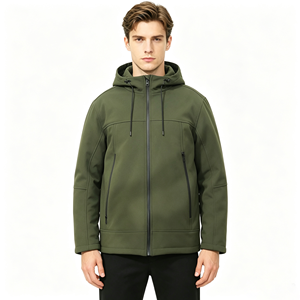
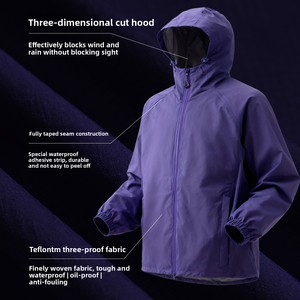
Commuters in the Tokyo Metropolitan Area require sleek, temperature-regulating transit wear. Our urban storm coats and packable windbreakers integrate silent, low-swish matte fabrics with 10,000 g/m²/24h breathability ratings, ensuring comfort during packed subway rides and sudden rainy season (Tsuyu) downpours.
Hokkaido & Tohoku Alpine Winter Sports
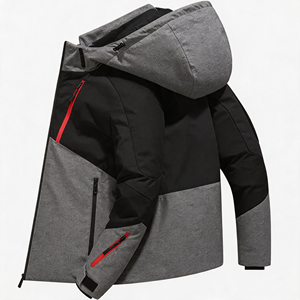
Severe cold conditions in Sapporo, Niseko, and Nagano demand heavy thermal retention. We produce IDFL-certified 700+ fill-power down jacket blocks and heavy fleece-lined ski coats featuring welded seams, snow skirts, and storm hoods engineered to withstand heavy powders and temperatures down to -20°C.
Harajuku & Osaka Streetwear Culture
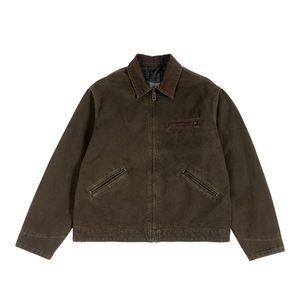
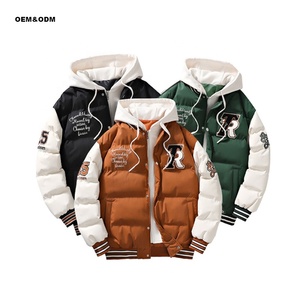
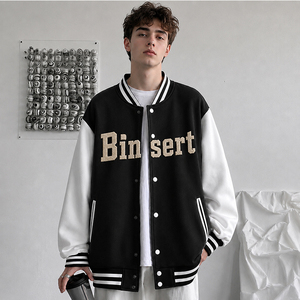
Japanese youth fashion centers in Ura-Harajuku and Osaka's Amerikamura require rapid fashion cycles. Our factories support low-MOQ, high-complexity manufacturing for oversized vintage bombers and chenille-embellished varsity jackets with custom garment-wash finishes and distressed treatments.
Corporate Uniforms & Industrial Workwear
Manufacturing and logistics hubs in Nagoya and Kansai demand durable corporate uniforms. We deliver industrial-grade work wear jackets featuring high tensile strength, antistatic threads, anti-pilling fleece, and color matching consistency across multi-year reorders.
1. Quiet Luxury & Functional Minimalism
Japanese buyers are shifting away from loud branding toward clean, unbranded architectural silhouettes ("City Boy" and techwear aesthetics). Fabrics must emphasize tactile hand-feel—such as peached nylon, memory shape polyester, and matte double-weave twills.
2. Eco-Conscious & Circular Certification
With Japan's stringent environmental regulations and consumer demand for sustainability, apparel brands prioritize GRS-certified recycled polyester (rPET), fluorocarbon-free (PFC-free) DWR coatings, and OEKO-TEX Standard 100 toxic chemical compliance.
3. RCEP Duty-Free Tariff Advantages
Under the Regional Comprehensive Economic Partnership (RCEP), Chinese textile exports to Japan enjoy progressive tariff reductions. Our export department provides complete Form RCEP Certificates of Origin, maximizing your land cost savings.
Comprehensive Guide: Sourcing Wholesale Outerwear from China Factories to the Japanese Market
The Japanese apparel market represents one of the most sophisticated, quality-sensitive retail landscapes in the global fashion industry. For Japanese apparel brands, trading companies (Shosha), and private label importers, sourcing jackets from China-based manufacturers requires a partner who understands the fine line between cost-efficient volume production and uncompromising quality control (QC). As a premier Chinese outerwear manufacturer with over 16 years of dedicated export experience, our organization provides end-to-end OEM and ODM capabilities engineered specifically to meet the strict technical standards of the Japanese market.
1. Navigating Japanese Quality Standards: JIS Testing & Kenpin Inspection Protocols
Sourcing apparel for Japan is distinct from European or North American procurement. The Japanese consumer's expectation for flawless finishing is reflected in the official Japanese Industrial Standards (JIS). Our production facilities operate under strict compliance with JIS L test methods:
- JIS L 1092 (Hydrostatic Pressure & Water Resistance): For snow coats, outdoor parkas, and rainwear, our 3-layer laminated shells undergo rigorous water column testing—ranging from 5,000 mm for urban rain jackets up to 20,000 mm for high-performance Hokkaido ski outerwear.
- JIS L 1099 (Water Vapor Permeability): Ensuring urban commuter jackets allow perspiration moisture to escape, maintaining internal micro-climate balance during crowded train commutes.
- JIS L 0844 & 0849 (Color Fastness to Washing & Rubbing): Preventing pigment transfer across contrasting panels, multi-color vintage bombers, and contrasting jacket linings.
- 100% Needle Inspection (Kenpin / 检针): Every garment produced for Japanese export must pass through dual-head conveyor metal detectors (NC-type needle detection down to 0.8mm ferrous particles) to eliminate any risk of broken sewing needles remaining inside seams or padding.
2. Asian Fit Pattern Engineering & Sizing Calibration
A common error made by Western manufacturers supplying the Japanese market is applying standard EU/US grading scales. Japanese sizing follows distinct proportions defined by shorter torso lengths, narrower shoulder spans, and refined sleeve pitch angles. Our in-house CAD pattern department utilizes standard JIS-L size blocks (S, M, L, LL, 3L) and provides custom grading adapted to your specific brand demographic:
- City Boy / Harajuku Fit: Intentionally oversized silhouette with dropped shoulders, widened chest measurements, but calibrated sleeve lengths to maintain a clean cuff break over the hand.
- Business Executive Cut: Tailored slim silhouette designed to fit comfortably over a suit jacket or knit cardigan without creating excess fabric bunching at the armpits or lower back.
- Outdoor Active Sizing: Articulated elbow patterning and underarm gussets allowing full range of motion for outdoor activewear brands.
3. Material Science: Selecting Technical Outerwear Fabrics
As a specialized factory, we maintain direct partnerships with leading fabric mills in Jiangsu and Zhejiang provinces, providing Japanese buyers with direct access to advanced textile technologies:
- High-Density Recycled Nylon & rPET: Post-consumer recycled plastic yarn certified under the Global Recycled Standard (GRS). Lightweight 20D ripstop nylon for packable windbreakers weighing under 150 grams.
- Fluorocarbon-Free DWR Coatings: C0 Durable Water Repellent finishes compliant with Japan's updated Chemical Substances Control Law (CSCL), eliminating harmful PFOA/PFOS chemicals without compromising water repellency.
- Ethically Sourced Down & Synthetic Fill: For winter puffer jackets, we provide IDFL-certified 90/10 duck or goose down alongside animal-free synthetic insulations (such as recycled polyfill thermal padding from 60 GSM to 200 GSM).
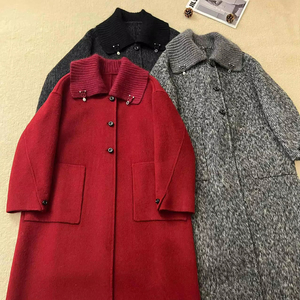
- Heavyweight Vintage Canvas & Melton Wool: 12oz to 16oz cotton canvas treated with natural enzyme washes for workwear coats, and 700g/m² Melton wool blends for classic varsity coats with genuine or high-grade eco-leather sleeves.
4. Streamlining Supply Chain & RCEP Tariff Reductions
Logistical proximity between Eastern China ports (Shanghai, Ningbo, Qingdao) and Major Japanese ports (Tokyo, Yokohama, Nagoya, Osaka, Kobe) offers unparalleled lead time advantages. Sea freight transit times range from just 3 to 5 days, allowing for fast replenishment cycles during peak autumn and winter selling seasons.
Furthermore, under the Regional Comprehensive Economic Partnership (RCEP), Chinese apparel exports benefit from lower preferential import duties into Japan. Our experienced trade operations team prepares official RCEP Form E / Certificate of Origin documentation, allowing Japanese importers to drastically reduce duty expenditures at customs, directly improving landed net margins.
Japanese Buyer FAQ
Frequently Asked Questions by Japanese Importers
Clear, direct answers regarding minimum order quantities, inspection certificates, sampling timelines, and custom private label options.
16+ Years Industry Experience
With over 10,000 outerwear styles developed across 16 years, our experienced merchandisers foresee technical challenges in seam construction, water resistance, and insulation migration before mass cutting begins.
International Certifications
Our partner facilities hold verified audits including GRS (Global Recycled Standard), GOTS, OEKO-TEX Standard 100, BSCI social compliance, and ISO 9001 quality management systems, ensuring total supply chain audit integrity.
Dedicated Account Merchandisers
Every buyer is paired with a dedicated English/Japanese speaking account manager who oversees your production from costing, lab-dip approvals, and sample fitting through to final vessel loading and after-sales support.
Launch Your Next Outerwear Collection for the Japan Market
Send us your tech pack, design sketch, or target specification. Our merchandising team will return a detailed cost breakdown, fabric alternatives, and a clear production timeline within 24 hours.
Inquire Now