Top 10 Thermal Outerwear Factory & Exporter

Global Engineering Whitepaper: Sourcing High-Performance Winter Coats, Technical Jackets & OEM Thermal Apparel Solutions

Featured Thermal Outerwear Products

Explore our premium OEM/ODM thermal outerwear lines engineered for extreme weather insulation, private-label scalability, and rigorous B2B export standards.

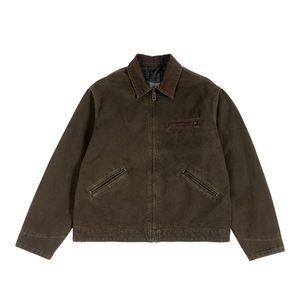
Vintage Embroidered Oversized Bomber Work Wear Jacket
Wholesale Streetwear Vintage Oversized Embroidered Bomber Workwear Jacket
Heavy-duty canvas thermal construction featuring high-density custom embroidery, reinforced drop-shoulders, and insulated diamond quilted interior lining.
Custom Embroidery Thermal Lining Low MOQ
Contact Us
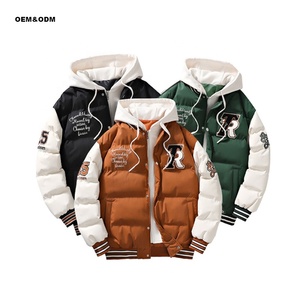
Men's Warm Hooded Baseball Bomber Jacket
Men's Autumn & Winter Thermal Hooded Baseball Bomber Jacket
Engineered windproof shell paired with a fleece-lined detachable thermal hood, custom chest logo application, and heavy rib-knit retention cuffs.
Detachable Hood Windproof Shell OEM Logo
Contact Us
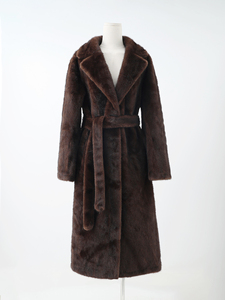
Women Belted Faux Fur Coat Luxury Outerwear
Women's Notch Lapel Belted Faux Fur Minimalist Thermal Overcoat
High-density long-pile synthetic fur delivering luxury aesthetics with maximum thermal CLO efficiency, tailored lapel detailing, and waist cinching belt.
Luxury Faux Fur High CLO Value Belted Waist
Contact Us
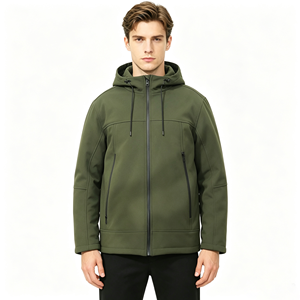
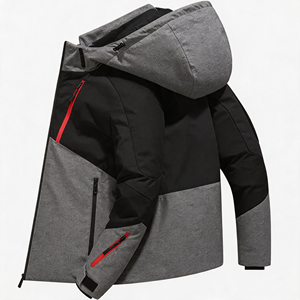
Men Winter Waterproof Windproof Fleece Ski Jacket
Men's Technical Waterproof Windproof Fleece Ski & Snow Jacket
10,000mm hydrostatic head waterproof rating combined with 300GSM anti-pill micro-fleece thermal backing and heat-sealed critically taped seams.
10K Waterproof 300GSM Fleece Ski-Grade
Contact Us
Eco-Friendly Waterproof Canvas Winter Jacket
Custom Eco-Friendly Canvas Waterproof Breathable Winter Jacket
Sustainable recycled cotton-canvas hybrid featuring PFC-free DWR coating, breathable TPU membrane lamination, and multi-pocket functional utility.
Eco Canvas PFC-Free DWR Breathable TPU
Contact Us
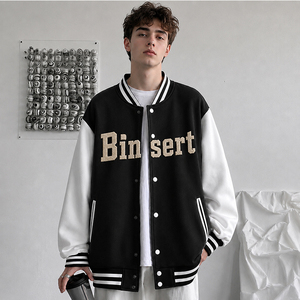
Custom Varsity Baseball Jacket Chenille Embroidery
Wholesale Custom Varsity Baseball Jacket with Chenille Patches
Melton wool blend shell with genuine leather/PU sleeves, heavy chenille applique patch craftsmanship, and insulating polyester fill padding.
Melton Wool Chenille Patches Small Batch MOQ
Contact Us
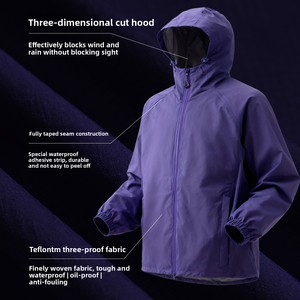
Quiet Luxury Men Waterproof Storm Coat
Quiet Luxury Men's Waterproof Windproof Technical Storm Coat
Minimalist high-end matte finish 3-layer laminated fabric shell, internal thermal lining, magnetic closure flap, and ergonomic concealed storm hood.
Quiet Luxury 3-Layer Tech Shell Storm Proof
Contact Us
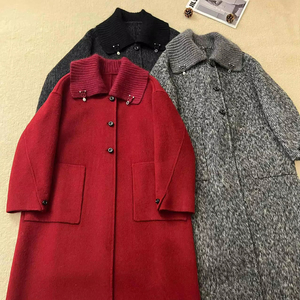
Women Winter Warm Woolen Knee Length Overcoat
Women's Customized Tailored Knee-Length Thermal Woolen Overcoat
Heavyweight 600GSM virgin/recycled wool blend overcoat offering elegant structural drape, interior satin thermal lining, and custom horn button trim.
600GSM Wool Tailored Cut OEM Private Label
Contact Us
16+
Years Outerwear Expertise
10,000+
Developed Tech Blocks
9
Global Production Units
55+
Export Destination Countries

Thermal Outerwear Procurement & Development Trends

In-depth industry analysis on fabric engineering shifts, sustainable insulation technologies, and next-generation OEM manufacturing requirements for global apparel brands.

1. Advanced Membrane & Micro-Climate Insulation

Modern commercial procurement is pivoting away from heavy bulk toward light, high-CLO efficiency solutions. Outerwear factories are integrating ePTFE and porous TPU laminated membranes capable of achieving 15,000mm+ hydrostatic pressure resistance while maintaining 10,000g/m²/24h water vapor transmission rates for active moisture regulation.

2. Circular & GRS-Certified Synthetics

Global buyer compliance mandates strict ESG standards. Leading manufacturers utilize Global Recycled Standard (GRS) ocean-bound rPET yarns, bio-based polyfills, and PFC-free (C0) durable water repellent finishes to meet European REACH and US FTC eco-labeling requirements without compromising thermal durability.

3. Seamless Baffle & Welded Chamber Construction

Traditional needle stitching in down and puffer coats introduces cold spots and down-leakage risk. Future-proof factories deploy ultrasonic seam welding and laser bonding, creating airtight, hydrophobic chambers that enhance thermal retention while extending garment lifecycle durability.

4. Agile Low-MOQ & Rapid Tech-Pack Prototyping

To reduce inventory risk in fluctuating retail landscapes, global buyers demand low minimum order quantities (MOQs) with accelerated 7-12 day pattern-to-proto timelines. Automated CAD markers and digital 3D fitting software drastically shave development cost and lead times.

5. Multi-Node Global Manufacturing Architecture

Leading exporters operate decentralized supply networks across multiple regions (Asia-Pacific, Middle East hubs, and South America). This multi-facility model mitigates tariff volatility, optimizes sea/air freight routes, and ensures uninterrupted high-volume capacity during peak winter cycles.

6. Hybrid Functional Techwear & Quiet Luxury

Commercial buyers are expanding into crossover apparel—combining tailored sartorial silhouettes (like wool overcoats and trench coats) with storm-proof technical membranes, hidden magnet closures, and thermoregulating fleece linings for multi-environment urban use.

Technical Whitepaper: Thermal Outerwear Factory Evaluation & Quality Verification Standard

Selecting a top-tier thermal outerwear manufacturer and exporter requires a rigorous audit beyond unit price. Thermal garments are complex multi-component systems—combining shell fabrics, functional membranes, insulating matrices, internal linings, zippers, seam-taping, and trim hardware. A failure in any single component compromises total garment performance in extreme winter environments.

1. Fabric Specification & Hydrostatic Pressure Testing

For technical winter jackets and outdoor storm coats, material integrity must be validated via laboratory testing protocols before bulk cutting. Key performance metrics include:

  • Hydrostatic Head (ISO 811 / AATCC 127): Entry-level weatherproofing requires >5,000 mm rating. Heavy-duty expedition and ski outerwear require 10,000 mm to 20,000 mm ratings to prevent water ingress under heavy pressure or prolonged downpours.
  • Breathability (JIS L 1099 B1 / inverted cup method): Thermal jackets must transport interior perspiration away from the wearer body to prevent evaporative cooling. Target breathability spans 8,000 to 15,000 g/m²/24h.
  • Abrasion Resistance (Martindale ASTM D4966): Outer canvas and ripstop nylon fabrics should withstand >20,000 double-rubs to ensure longevity against mechanical wear.

2. Thermal Insulation Engineering: Down vs. Synthetic Matrices

Thermal efficiency is measured in CLO values (1 CLO represents the thermal insulation required to keep a resting person comfortable at 21°C in a still air environment). Factories must offer custom insulation mapping based on target retail climates:

  • Responsibly Sourced Down (RDS / IDFL Certified): Providing 550 to 800+ fill-power duck or goose down. Down-proof 20D–40D high-density nylon liners are essential to prevent feather migration.
  • Recycled Polyfill & Micro-Fleece Padding: Ranging from 60GSM to 300GSM. Synthetic matrices retain up to 90% of their thermal properties even when damp, making them ideal for high-humidity cold zones.

3. Quality Control (AQL 2.5) & Seam Sealing Precision

Every order must adhere to strict Acceptable Quality Limit (AQL 2.5) standards during inline sewing and final pre-shipment inspections. Critical manufacturing checkpoints include needle-hole sealing using three-ply hot-melt PU seam tape, stitch-density calibration (set at 10-12 stitches per inch to prevent seam tearing), pull-testing on zipper sliders and snap buttons, and 100% metal-detection screening prior to carton packing.

Thermal Outerwear Sourcing & Manufacturing FAQ

Comprehensive answers to essential technical, logistics, and private-label manufacturing questions for wholesale buyers and sourcing directors.

1. What materials and fabrics are best suited for custom thermal outerwear?
Optimal fabric selection depends strictly on the intended climate and end-use application. For high-performance ski and rain shells, 2-layer or 3-layer laminated polyesters/nylons with TPU/ePTFE membranes (10,000mm–20,000mm waterproof ratings) are standard. For urban streetwear bombers and workwear, heavy-duty 10–14 oz cotton canvas or 300D Oxford fabrics with thermal quilted linings are preferred. Mid-layer fleece garments utilize 200–320 GSM anti-pill micro-fleece or bonded sherpa fabric.
2. What is your minimum order quantity (MOQ) for custom jacket manufacturing?
We maintain flexible, tiered MOQ structures tailored to brand maturity. In-stock fabric programs with custom logo embroidery, screen printing, or silicone patch placement start at low minimums (often 100–300 pieces per style). Fully custom-engineered constructions requiring custom mill-dyed pantone colors, bespoke jacquard linings, or specialized hardware tape carry higher minimums based on fabric mill run requirements.
3. How long does the production timeline take from initial tech-pack to delivery?
Standard development and production cycles run as follows: Pattern creation and initial proto-sampling takes 7 to 12 days. Fit and lab-dip fabric approvals take 5 to 10 days. Bulk production typically takes 25 to 45 days, depending on trim complexity and volume. Ocean freight transit adds 20 to 40 days, while express air freight delivers within 5 to 9 days.
4. Can you manufacture jackets under complete private-label white-labeling?
Yes, full white-label private branding is our core OEM business. We handle custom woven neck labels, FTC/EU compliant care & content tags, branded zipper pullers, metal snap buttons, embossed leather patches, custom printed linings, branded polybags, and retail hangtags. No manufacturer branding appears on your finished garments.
5. What international certifications support your sustainability and quality claims?
Our global manufacturing facilities and fabric suppliers operate under certified standards including Global Recycled Standard (GRS), OEKO-TEX Standard 100, GOTS organic compliance, ISO 9001 quality management, amfori BSCI social compliance, and IDFL certification for responsibly sourced down insulation. Transaction certificates (TCs) are provided per shipment upon request.
6. Which global regions do you export and ship wholesale outerwear to?
We export to over 55 countries across North America (USA, Canada), Europe (UK, Germany, France), Middle East (UAE, Saudi Arabia, Qatar), LATAM (Brazil), and Australia/New Zealand. Orders can be shipped under DDP (Delivered Duty Paid), FOB (Free on Board), or EXW terms depending on your logistics setup.

Enterprise Strengths & Manufacturing Infrastructure

Why leading apparel brands, institutional buyers, and independent fashion labels choose our global OEM/ODM production network.

100+ Front-End & 2000+ Back-End Workforce

Our dedicated account management offices in Beverly Hills (USA), London (UK), Dubai (UAE), Riyadh (Saudi Arabia), and Australia pair seamlessly with a workforce of over 2,000 skilled apparel technicians, pattern engineers, and sewing operators across 9 production facilities.

10,000+ Existing Outerwear Blocks

Accelerate your market speed by leveraging our massive pattern library covering bombers, leather jackets, puffers, parkas, windbreakers, varsity coats, and softshells. Graded size blocks from XS to 5XL are ready for immediate branding and custom modification.

End-to-End International Logistics

We take full responsibility for complex tariff classifications, customs clearing paperwork, fabric origin documentation, and multi-port consolidation, giving wholesale buyers a seamless, risk-free sourcing experience.

Launch Your Thermal Outerwear Collection

Connect with our senior merchandising team today to discuss tech-packs, fabric options, volume pricing, and proto-sample timelines.

Contact Us