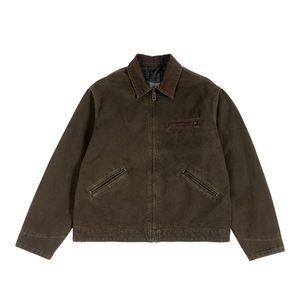
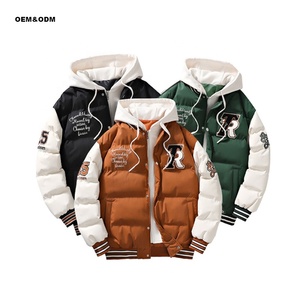
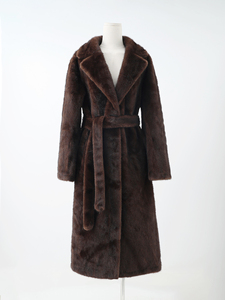
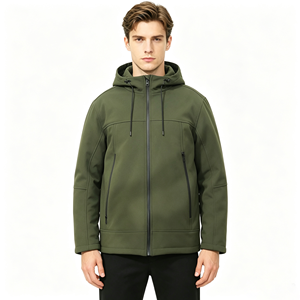
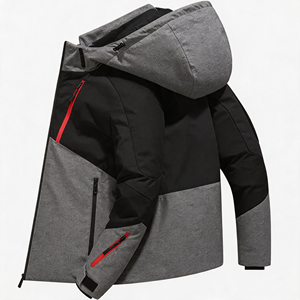
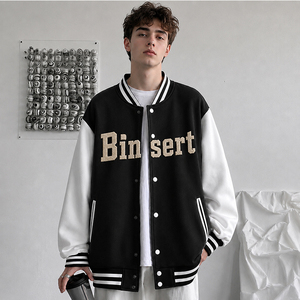
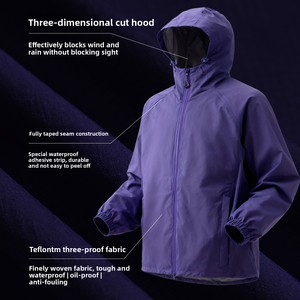
Factory-Direct Bulk Rainwear & Weatherproof Outerwear
Tested for Extreme Weather Protection | High-Visibility Safety Standards | Low MOQ OEM & Private Label Programs
Technical Whitepaper: Sourcing CE Certified Bulk Rainwear & Weatherproof Outerwear
In global textile procurement, sourcing industrial and commercial-grade protective rainwear demands rigorous technical evaluation far beyond surface aesthetic appeal. As regulatory bodies enforce stringent worker safety standards and global retail markets pivot toward sustainable high-performance outerwear, brand owners, procurement officers, and safety managers must navigate complex compliance matrices. This executive whitepaper outlines the structural parameters, standard compliance frameworks, and manufacturing innovations critical to evaluating CE Certified Bulk Rainwear Factories & Suppliers.
1. Navigating CE Certification & Standard EN 343:2019 Demands
The standard benchmark for European and international waterproof protective apparel is governed by EN 343:2019 (Protective clothing — Protection against rain). When procuring bulk rainwear for municipal workforces, offshore operations, emergency response services, or outdoor consumer brands, compliance with EN 343 is non-negotiable. The certification evaluates two pivotal performance dimensions:
Water Penetration Resistance (W)
Measures the hydrostatic pressure (mmH2O) a fabric shell and heat-sealed seams can endure before water ingress occurs. Graded from Class 1 (Basic) to Class 4 (Highest Industrial Resistance ≥ 20,000 mm).
Water Vapour Resistance (R_et)
Evaluates breathability. Lower R_et values indicate higher water vapor permeability, allowing body perspiration to escape during active physical labor. Class 4 demands R_et ≤ 15 m²Pa/W.
Tensile & Seam Burst Strength
ISO 13937 tear resistance testing ensures that welded and taped seams withstand heavy mechanical shear stress without delamination or microscopic tearing.
| EN 343 Class |
Hydrostatic Pressure (mmH2O) |
Breathability (R_et Rating) |
Recommended Sourcing End-Use |
| Class 1 |
≥ 8,000 mm (Pre-treatment) |
R_et > 40 (Non-breathable) |
Basic promotional ponchos, short-duration leisure rainwear. |
| Class 2 |
≥ 8,000 mm (Post-flexing) |
20 < R_et ≤ 40 |
General outdoor staff, light utility & transport operations. |
| Class 3 |
≥ 13,000 mm (Post-flexing & seam) |
15 < R_et ≤ 20 |
Construction crews, high-activity logistics, technical sportswear. |
| Class 4 (Premium) |
≥ 20,000 mm (Severe Hydrostatic) |
R_et ≤ 15 (Ultra-breathable) |
Industrial offshore, emergency services, expedition gear. |
2. Advanced Material Science: Lamination, Membranes & Seam Sealing
True technical rainwear relies on multi-layer fabric architecture. Cheap polyvinyl chloride (PVC) coatings lack breathability and crack under freezing conditions. Certified factories utilize engineered Thermoplastic Polyurethane (TPU) micro-porous membranes bonded to high-tenacity 20D–600D recycled polyester or nylon ripstop shells.
Micro-porous TPU membranes feature pore diameters 20,000 times smaller than a water droplet, preventing liquid entry, yet 700 times larger than a water vapor molecule, allowing metabolic heat to dissipate. Furthermore, seam construction represents the primary failure point in bulk waterproof apparel. Our production facilities deploy automated 3-ply hot-air seam taping machines running at precise temperature-pressure ratios (typically 380°C–420°C at 2.5 bar) to melt PU sealing tapes seamlessly over needle punctures, guaranteeing zero water seepage under hydrostatic pressure tests.
3. Future Rainwear Procurement Trends (2025–2030)
The global waterproof apparel market is undergoing a rapid transition driven by international chemical regulations and corporate environmental mandates. Buyers must align their tech packs with these emerging manufacturing trends:
1. Total PFAS/PFC-Free DWR Chemistries
Global regulatory bodies (including US State bans and EU REACH amendments) are phasing out fluorinated Durable Water Repellent (C8 and C6 DWR) coatings. Our factories utilize plant-based or silicon-derived C0 DWR finishes delivering 80/20 spray ratings after 20 industrial wash cycles.
2. Closed-Loop Recycled Polyurethane (rPU)
Post-consumer PET plastic recycling has expanded from outer face fabrics into the membrane layer itself. Certified Global Recycled Standard (GRS) 3-layer rain shells allow private label brands to present verified eco-credentials with full transaction certificates (TC).
3. High-Visibility EN ISO 20471 Integration
Modern industrial rainwear seamlessly merges CE EN 343 weatherproofing with EN ISO 20471 Class 3 high-visibility safety standards. Featuring heat-applied segmented reflective tape that maintains stretch mobility without cracking.
Why Enterprise Brands Sourcing CE Certified Rainwear Partner With Us
Robust Quality Infrastructure, End-to-End Private Label Customization & Direct Factory Economies of Scale
16+ Years OEM/ODM Outerwear Heritage
Founded in 2009, Oasis Jackets operates specialized technical outerwear lines handling over 10,000+ custom-developed pattern blocks. From initial sketch tech-pack creation to bulk delivery, we eliminate developmental guesswork.
Global Production Across 9 Countries
Mitigate geopolitical tariff risks and optimize logistics with our strategic factory network across North America, Europe, and Asia. Flexible DDP, FOB, and EXW shipment terms supported.
Full Private Label & Customization
Complete brand isolation. We manufacture custom Pantone-dyed fabrics, custom zipper pulls, embossed leather patches, silicone badging, FTC/EU compliant care labels, and branded retail packaging.
Quality Assurance Protocol: The 4-Stage Defect Prevention System
Rainwear performance failure ruins brand reputation. Our factory floors enforce a strict 4-stage inline inspection workflow compliant with AQL 2.5 Acceptance Quality Limits:
STAGE 01
Roll-to-Roll Fabric Audit
100% of incoming shell fabrics undergo 4-point visual inspection, shade-grouping, and hydrostatic head testing prior to lay planning and CAD cutting.
STAGE 02
Seam Sealing Calibration
Every hot-air seam taping machine undergoes hourly temperature and pneumatic pressure calibration checks. Seam strips are sample-tested under pressurized water testers on-site.
STAGE 03
Inline & Hardware Audit
Inspectors evaluate zipper operation strength, snap button retention force, pocket flap alignment, and internal mesh lining drop dimensions during garment assembly.
Global Account Management & Regional Offices
Dedicated In-Market Account Executives Providing Real-Time Communication & Local Technical Support
United States (HQ)
Penthouse, 8730 Wilshire Blvd, Beverly Hills, CA 90210
+1 855 525 2642
United Kingdom
55A Catherine Place, 1F Buckingham Gate, London SW1E 6DY
+44 203 951 2006
UAE & GCC
7F/03 Empire Heights Tower B, Business Bay, Dubai
+971 4 558 4468
Australia
1/49 Lemana Lane, Miami 4220, Queensland
1800 252 642
Frequently Asked Questions for Bulk Rainwear Procurement
Technical Answers to Help Procurement Officers & Private Label Buyers Make Informed Sourcing Decisions