0%

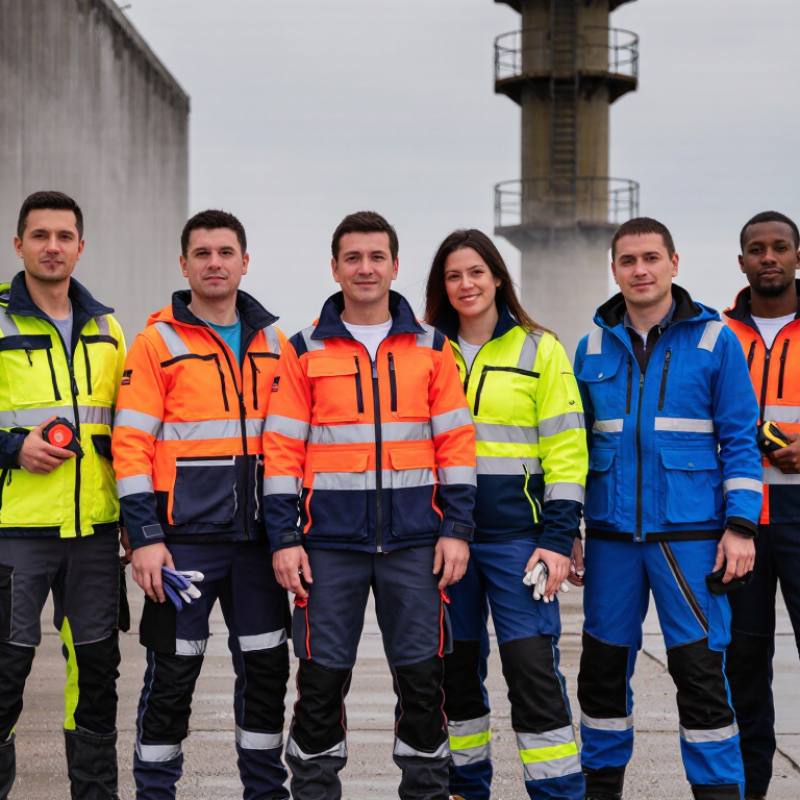
Choosing Bulk Safety Jackets is not just a matter of comparing prices. The right choice starts with the work your team actually performs: roadside repairs at dawn, warehouse shifts beneath bright lights, or outdoor crews facing rain and wind. Each setting brings different visibility, durability, and comfort needs. A jacket that looks suitable on a product page may feel stiff after an eight-hour shift. Fit matters.

As safety-apparel specialist Scott Margolin puts it, “A jacket must match the hazard, the task, and the person wearing it.” Treat that as a practical buying principle: check visibility features, fabric weight, closures, pocket placement, and room for layers. Then confirm that available sizes suit your team, not just a sample wearer. A tape measure and a wear trial can reveal more than a polished catalog photo.

For bulk orders, consistency is useful, but one style may not work for every role. Ask suppliers about sizing, replacement availability, and how the garment performs after repeated washing. Compare samples in real working conditions, and gather feedback from the people who will wear them. That step takes time. Still, it can catch problems before a full order arrives.

A lower unit price can look attractive. It may not be a saving if jackets wear out early or stay unworn in lockers. Set clear requirements, document your checks, and leave room to revise the order. No checklist replaces judgment.

How to Choose Bulk Safety Jackets for Your Team?

Identify Workplace Hazards and Visibility Requirements

Choosing bulk safety jackets starts with the hazards workers actually face. A warehouse forklift aisle, a roadside crew, and a dim loading bay have different visibility needs. BLS’s 2023 Census of Fatal Occupational Injuries recorded 5,283 fatal work injuries; transportation incidents accounted for 1,942. These figures make vehicle exposure worth assessing, not ignoring. Check traffic speed, lighting, weather, background clutter, and how workers move. ANSI/ISEA 107-2020 classifies high-visibility garments by use and performance; roadway workers may need Type R apparel, with the required class depending on the task and conditions. Night shifts need different coverage. Also consider heat, sparks, rain, and snag risks. A bright jacket is not a cure-all, and I’d avoid treating color alone as proof of protection.

Tips: Walk the work area at the actual shift time. Note where headlights, shadows, or machinery hide a worker’s outline. Match the jacket’s visibility level to the exposure, then check fit over the layers employees wear. Confirm reflective material remains visible when arms bend or a worker turns. Small detail, big difference. For bulk orders, request garment specifications and inspect a sample before approving sizes and quantities. Keep in mind that laundering can affect visibility over time; follow the care instructions and replace jackets when reflective areas are worn, dirty, or damaged. Don’t guess. Sources: U.S. Bureau of Labor Statistics, 2023 Census of Fatal Occupational Injuries; ANSI/ISEA 107-2020.

How to Choose Bulk Safety Jackets for Your Team? - Identify Workplace Hazards and Visibility Requirements

Match each jacket to the work environment, exposure risks, weather conditions, and applicable visibility rules. The examples below are starting points for selection, not substitutes for a site-specific hazard assessment.

Work activity Main hazards Visibility needs Jacket features to consider Bulk-order checks
Road construction and utility work near moving traffic Fast-moving vehicles, low-light conditions, changing weather, and roadside debris High visibility
Where required, select apparel certified to the applicable road-work standard and performance class. Risk, traffic speed, and work location affect the class needed.
Bright fluorescent background material; retroreflective bands positioned for visibility from multiple directions; weather protection suited to the shift. Confirm the required standard and class for the work zone; check that the garment remains visible when worn over required layers and equipment.
Warehouse work around forklifts and other mobile equipment Vehicle-pedestrian collisions, obstructed sightlines, and dim aisles Task-dependent
Use high-visibility apparel when the risk assessment or site rules call for it.
Lightweight vest or jacket that allows free movement; durable closures; design that does not snag on equipment or restrict access to controls. Check aisle lighting, garment fit, compatibility with uniforms, and laundering instructions. Avoid loose features that could catch on machinery.
Roadside incident response and public-safety duties Passing traffic, night work, unpredictable movement, and changing task requirements Role-specific
Choose apparel that meets the applicable public-safety or roadway-use requirements for the assignment.
High-visibility materials with an appropriate reflective pattern; practical closures and pockets; weather-appropriate layering without hiding reflective areas. Verify the required garment type and performance class with the organization’s safety lead; consider compatibility with protective equipment.
Outdoor maintenance in rain, wind, or cold Reduced visibility, wet or cold exposure, and slippery surfaces Visibility + weather protection
Ensure reflective and background materials remain visible in the intended conditions.
Water-resistant or waterproof construction as needed; breathable layers where appropriate; sealed or protected seams for sustained wet exposure. Check the temperature range, layering plan, fit over clothing, and care instructions. Confirm that washing will not damage visibility materials.
Work near moving equipment where flame or arc hazards are assessed Potential flash fire or electric-arc exposure, in addition to visibility hazards Visibility + hazard protection
Visibility features do not replace protection against thermal hazards.
Select garments specifically certified for the assessed thermal hazard, while also meeting applicable visibility requirements. Confirm that all layers are compatible. Follow the site hazard assessment and relevant protective-clothing standards. Do not assume an ordinary high-visibility jacket is flame-resistant or arc-rated.
Indoor production or maintenance areas Moving machinery, low-light corners, and possible snag or contamination risks Site-assessed
Set visibility requirements based on equipment movement, lighting, and local procedures.
Durable, correctly fitted design; fabric and closures suited to the environment; avoid unnecessary loose straps or accessories near machinery. Check cleaning method, size range, replacement frequency, and whether the selected design is compatible with other required PPE.

Selection reminder: Before placing a bulk order, document the hazards, required visibility standard and class (if applicable), climate, fit needs, and cleaning process. Verify current local regulations and certification labels, and replace garments that are damaged, faded, or no longer provide adequate visibility.

Match Jacket Features to Job Tasks and Weather Conditions

Choose jackets by task before choosing insulation. A roadside crew needs conspicuous colors and reflective material, while warehouse staff may need lighter shells that do not snag on equipment. Match visibility class to traffic speed, distance, and background clutter; ANSI/ISEA 107-2020 provides garment classifications for different exposure conditions. Check sleeve length, pocket placement, and whether workers can reach tools without pulling the jacket open. Small details matter.

Weather changes the right choice. For cold, windy shifts, consider layered insulation, adjustable cuffs, and a longer hem; for rain, check seam construction and hood visibility. In warm, strenuous work, heavy waterproof fabric can trap heat, so breathable materials and removable layers may be more practical. Cold changes everything. The U.S. Bureau of Labor Statistics reported 2.6 million nonfatal workplace injuries and illnesses in private industry in 2023. That figure does not show which jacket would prevent an injury, but it reinforces the value of task-specific risk reviews. Ask workers to test jackets while bending, climbing, and wearing required equipment. A sample can fit in the office and still feel restrictive on a wet night shift. Recheck choices when duties or seasons change.

Choose Sizes and Fits for Every Team Member

A bulk order should begin with measurements, not assumptions. A size chart is only a starting point; it cannot show how a jacket sits over a fleece or tool belt.

The U.S. Bureau of Labor Statistics reported 5,283 fatal occupational injuries in 2023, with 1,942 involving transportation incidents.

That figure does not measure jacket fit or prove that clothing prevents injuries, but it underscores why teams working near moving vehicles need carefully selected high-visibility garments. ANSI/ISEA 107-2020 sets performance requirements for high-visibility apparel; check that the chosen garment’s class suits the work environment.

Ask each team member to try on a sample while wearing typical work layers. Check that sleeves cover the wrists with arms raised, hems stay down when bending, and the closure does not pull across the chest. Fit matters. Record each person’s preferred size and the tested garment style; sizing can vary between cuts. Keep a few exchange units available, because a neat spreadsheet does not guarantee a comfortable fit. Recheck the size mix when roles, seasons, or required layers change. A small trial may feel slower than ordering one size range, but it can reveal missed details before the full shipment arrives.

Compare Materials, Durability, and Bulk Order Options

Choosing bulk safety jackets starts with the worksite, not the catalog photo. For warm, active shifts, breathable mesh can reduce heat buildup. In rain or wind, a coated polyester shell may offer better coverage. Check the fabric label and care instructions. Small details matter. A pocket that strains under a radio can fail before the jacket does.

Durability depends on more than fabric weight. Inspect seam stitching, zipper movement, and reflective tape attachment. Ask how the garment performs after repeated washing, and follow the stated care limits. A jacket that looks sturdy may still lose comfort or visibility if washed incorrectly. I would not pretend one material suits every crew. Different tasks create different wear patterns.

Bulk order options deserve the same scrutiny as construction. Request samples in several sizes, then check sleeve reach and fit over work layers. Compare the full size range, minimum quantities, delivery timing, and reorder availability before committing. Confirm the visibility class required for each task against applicable site rules. A simple size survey can reduce exchanges, though it will not predict every fit issue. Keep one sample for a wear-and-wash trial before placing the full order.

Check Compliance, Samples, and Supplier Reliability

Choose jackets against the actual hazards, not just a color chart. Check the applicable visibility standard, such as ANSI/ISEA 107, and confirm the required garment class for each task. The U.S. Bureau of Labor Statistics reported 5,283 fatal work injuries in 2023, including 1,942 transportation incidents. That figure is a reminder to assess exposure carefully; a jacket alone cannot remove a worksite hazard. Verify reflective coverage, background fabric, sizing, and compatibility with other protective equipment.

Request samples before ordering in bulk. Have workers try them over their usual layers, then check movement, pocket access, and visibility in daylight and under vehicle lights. Ask whether the garment’s care instructions preserve its performance. A size chart can still mislead. We have to admit that even a well-reviewed sample may fit differently across a mixed team. Check supplier reliability by confirming stock availability, lead times, replacement policies, and written product specifications. Request test documentation and inspect delivered goods against the approved sample.

Tips: Keep one approved sample on site for comparison. Record the model, size range, and care instructions before placing repeat orders. If a supplier cannot answer a basic question clearly, pause the order.

FAQS

How should a work jacket match the job?

Choose by task first. Roadside crews may need bright colors and reflective material, while warehouse staff may need lighter shells that resist snagging.

What should workers check before using a jacket on shift?

Test it while bending, climbing, and reaching for tools. Check sleeve length, pocket placement, and whether the front stays closed during movement.

Which features help in cold or windy weather?

Layered insulation, adjustable cuffs, and a longer hem can help. Cold changes everything.

What matters when choosing a jacket for rain?

Check seam construction and whether the hood remains visible. In warm, strenuous work, heavy waterproof fabric may trap heat.

How can teams find the right size?

Have each person try a sample over usual layers or a tool belt. A size chart is only a starting point.

What fit details should workers inspect?

Sleeves should cover wrists when arms are raised. Hems should stay down when bending, and closures should not pull across the chest.

Why keep a few exchange jackets available?

Sizing can vary between jacket cuts, and a spreadsheet cannot guarantee comfort. A few spare sizes can prevent a poor fit from going unnoticed.

When should jacket choices be reviewed?

Recheck them when duties, seasons, or required layers change. A sample may fit in an office but feel restrictive on a wet night shift.

Conclusion

Choosing Bulk Safety Jackets starts with understanding the hazards in each work area and the level of visibility employees need. Consider traffic, lighting, and other site conditions, then match jacket features—such as reflective details, pockets, closures, and weather protection—to daily tasks and local climate. A jacket should support safe movement and remain comfortable throughout a shift.

Plan sizing carefully so every team member can find a suitable fit, including room for work clothing or layers. Compare materials for durability, breathability, and ease of care, and review how bulk quantities, pricing, and delivery options fit your needs. Before placing a large order, check that the jackets meet the relevant requirements for your workplace, request samples to assess comfort and construction, and evaluate the supplier’s communication, consistency, and ability to fulfill the order reliably.

Ethan Carter

Ethan Carter

Ethan Carter is a highly experienced marketing professional dedicated to helping businesses make informed decisions through clear, practical, and industry-focused content. With a strong understanding of the company’s products, services, and customer needs, Ethan regularly contributes expert......